Creating Online Courses For Moms To Teach Parenting Skills That Sell
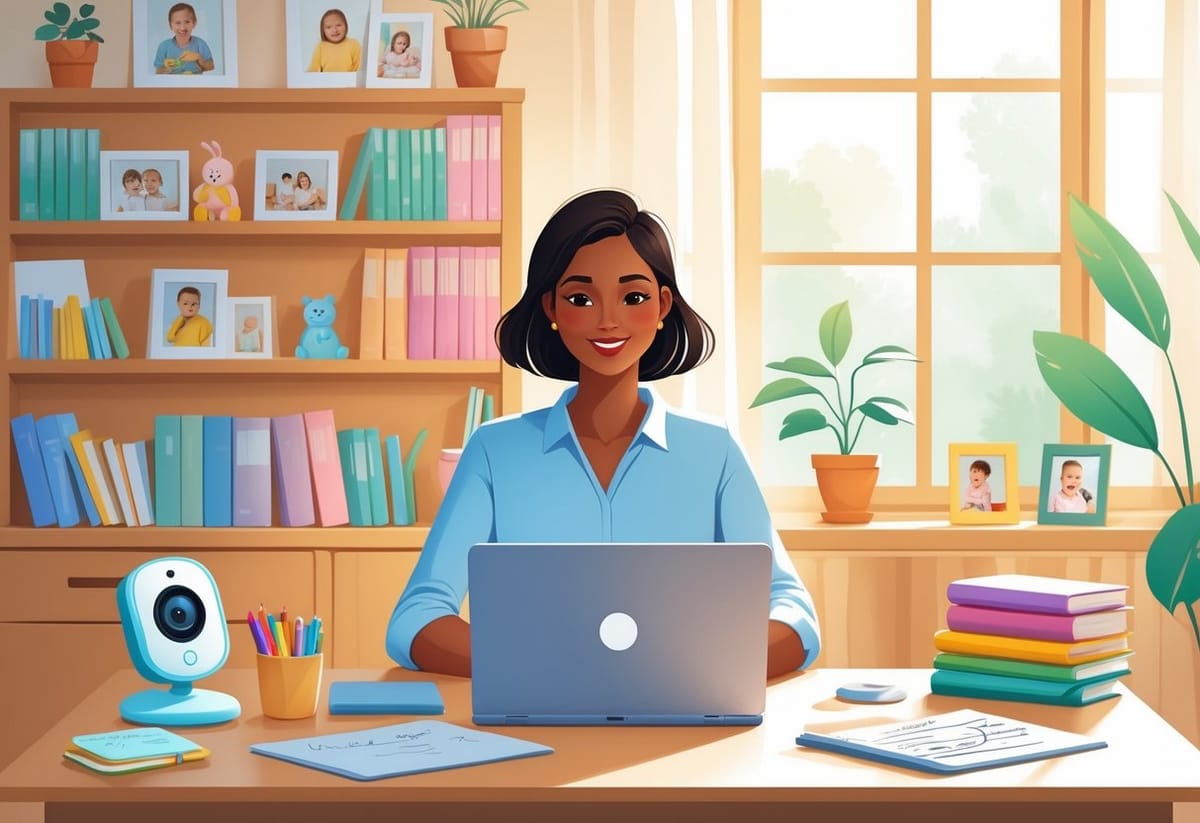
Building an online parenting course gives moms the chance to turn everyday experiences into powerful lessons for other families. It’s not about having a degree or years of experience—it’s about sharing what works. Creating an online course helps moms teach practical parenting skills while earning an income from home. From positive discipline to stronger communication, families everywhere look for relatable, down-to-earth guidance.
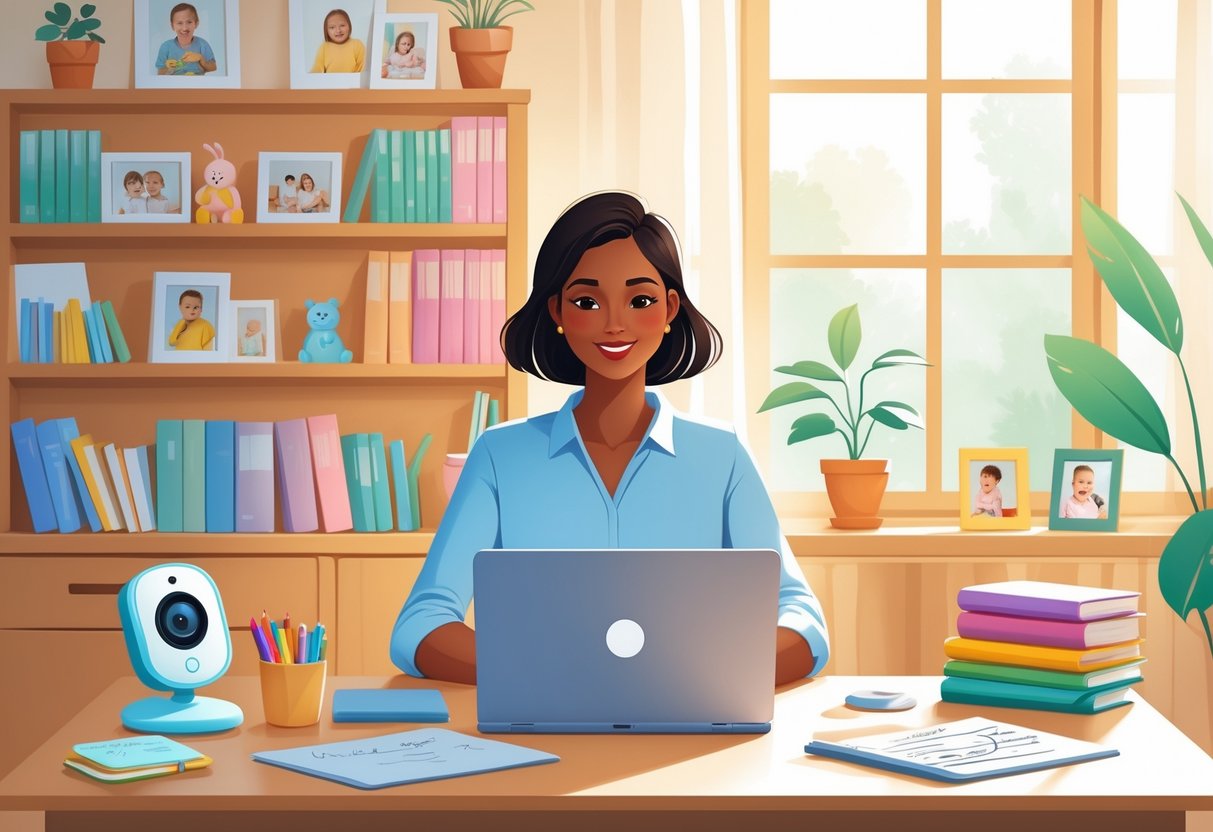
Many moms start with simple tools like worksheets, short videos, or live chats. Sites like Parentinstructor.com and Udemy make it easy to create and post courses without technical expertise. They can design lessons that fit real-life routines by focusing on everyday challenges—bedtime battles, picky eaters, and screen-time limits. Starting small keeps it flexible and builds confidence fast.
To launch a course smoothly, moms can outline lessons, record content on a smartphone, and use templates to organize class materials. A solid plan—paired with genuine care—creates a welcoming space where other parents feel understood and supported. That connection turns a simple course into a thriving online community.
Key Takeaways
- Teaching parenting skills online helps moms share experience and earn flexibility
- Simple tools and platforms make building a course manageable from home
- Real-life examples keep lessons relatable and engaging for other parents
Why Create Online Parenting Courses for Moms?
Moms today balance childcare, work, and household tasks, often without enough support or flexible learning options. Creating online parenting courses helps them share what they know, earn income from home, and connect with others who face similar challenges. It also fills a growing gap in accessible, evidence-based parenting education for busy families.
Empowering Moms to Teach Parenting Skills
Moms have real-world experience that cannot be taught in a textbook. Turning that experience into an online parenting course lets them teach topics like positive discipline, emotional regulation, or communication techniques other parents can use daily.
Start small with short video lessons or printable templates such as a daily routine chart or tantrum response checklist. These tools can help parents see quick results, which builds trust and engagement.
They can also record step-by-step tips, like:
- 1: Identify one parenting challenge (e.g., bedtime battles).
- 2: Break it down into simple steps that worked in their home.
- 3: Create a short worksheet for parents to apply the idea themselves.
Platforms like ParentEducate.com and Alison’s free parenting courses show that moms can teach in flexible formats—from self-paced micro-lessons to guided video courses. These approaches empower moms not only to teach parenting skills but to model practical, realistic problem-solving.
The Growing Need for Parenting Education Online
Families are seeking flexible, affordable ways to learn better parenting techniques without leaving home. Online parenting education makes it easier for moms to reach learners anywhere, even those needing court-approved or professional development options, like those offered by The Science of Parenting.
The demand stems from busy schedules and the desire for trustworthy help. Parents value lessons built on real-life experience and science-backed parenting methods, similar to those described in FamilyEducation’s online classes guide.
To meet this need, moms can:
- Offer bite-sized courses instead of long lectures.
- Include interactive activities such as reflection prompts or journal pages.
- Use support groups or chat options to help parents stay motivated.
These small touches make learning personal and sustainable, proving that moms can shape the future of parenting education from their own living rooms.
Understanding Your Audience: Moms Teaching Parenting
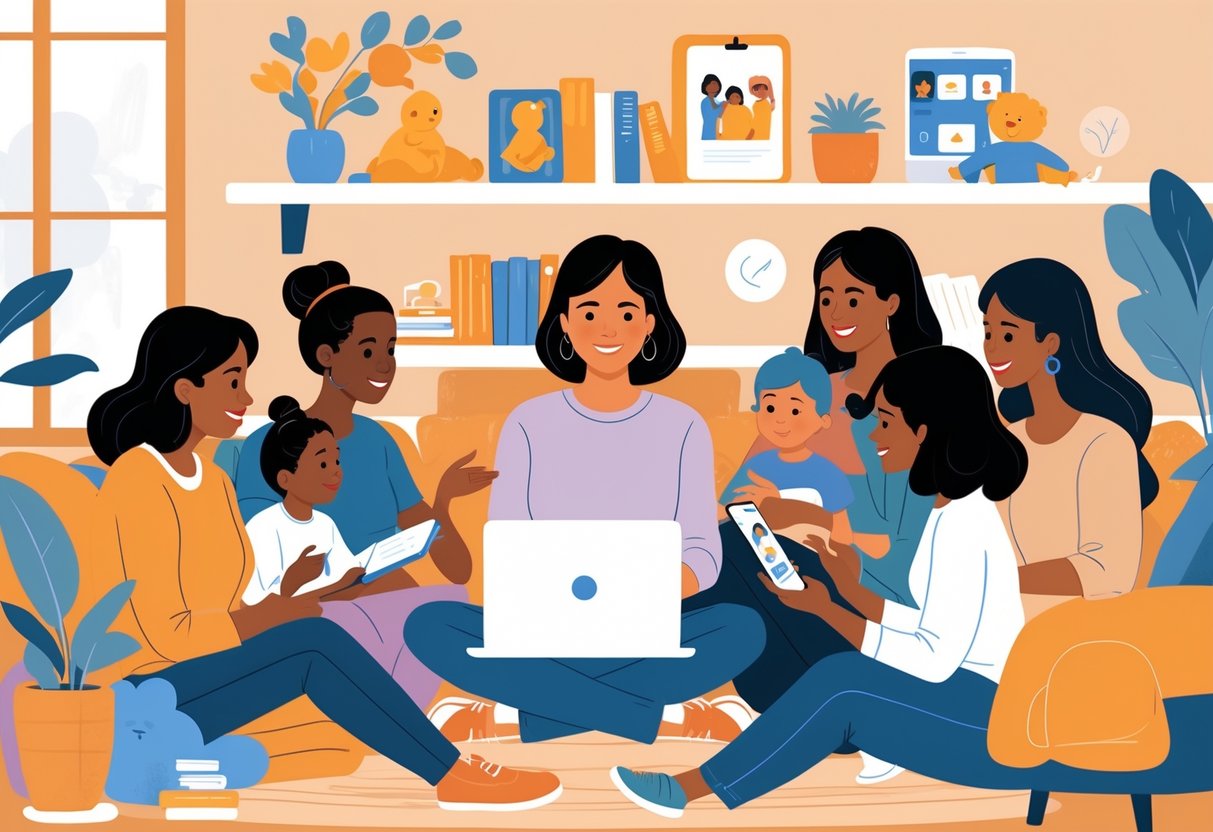
Moms who create parenting courses often balance the roles of teacher, parent, and entrepreneur. They gain the most success when they clearly understand what modern parents struggle with and how different families function.
Identifying Parenting Challenges Moms Want to Address
Many moms notice patterns in the issues parents face. Common topics include screen time limits, positive discipline, and building emotional resilience. Online programs like How to Teach Parenting Classes: A Comprehensive Guide suggest starting by defining clear goals for each lesson, focusing on realistic results parents can apply at home.
A quick way to identify needs is by asking questions through short surveys or social media polls:
- What is your biggest parenting struggle right now?
- Which routines cause the most frustration?
- How do you handle discipline at home?
She can use the answers to shape lesson plans that speak directly to those challenges. A simple template could include:
| Lesson Goal | Skill Taught | Practice Activity |
|---|---|---|
| Reduce morning chaos | Organization habits | Create a family checklist |
| Encourage cooperation | Positive reinforcement | Try a reward jar |
Focusing on one clear issue per session helps prevent overwhelm and keeps learners engaged.
Connecting with Different Family Dynamics
Every family looks different, so successful parenting programs adapt their guidance. Some moms teach co-parenting strategies for separated parents, while others help blended families set shared rules. Sites like How To Teach Parenting Classes Effectively emphasize understanding audience demographics and tailoring examples accordingly.
She can create segments or “tracks” for different situations:
- Single parents: communication and self-care routines
- Two-parent households: shared discipline approaches
- Stepfamilies: setting fair expectations
When she shares stories that reflect varied family dynamics, parents feel seen and supported. Adding empathy statements—like “You’re not alone if your routines look messy right now”—strengthens trust. The goal isn’t to fix every problem but to give parents relatable parenting strategies they can actually use in their unique homes.
Designing a Parenting Skills Course That Works
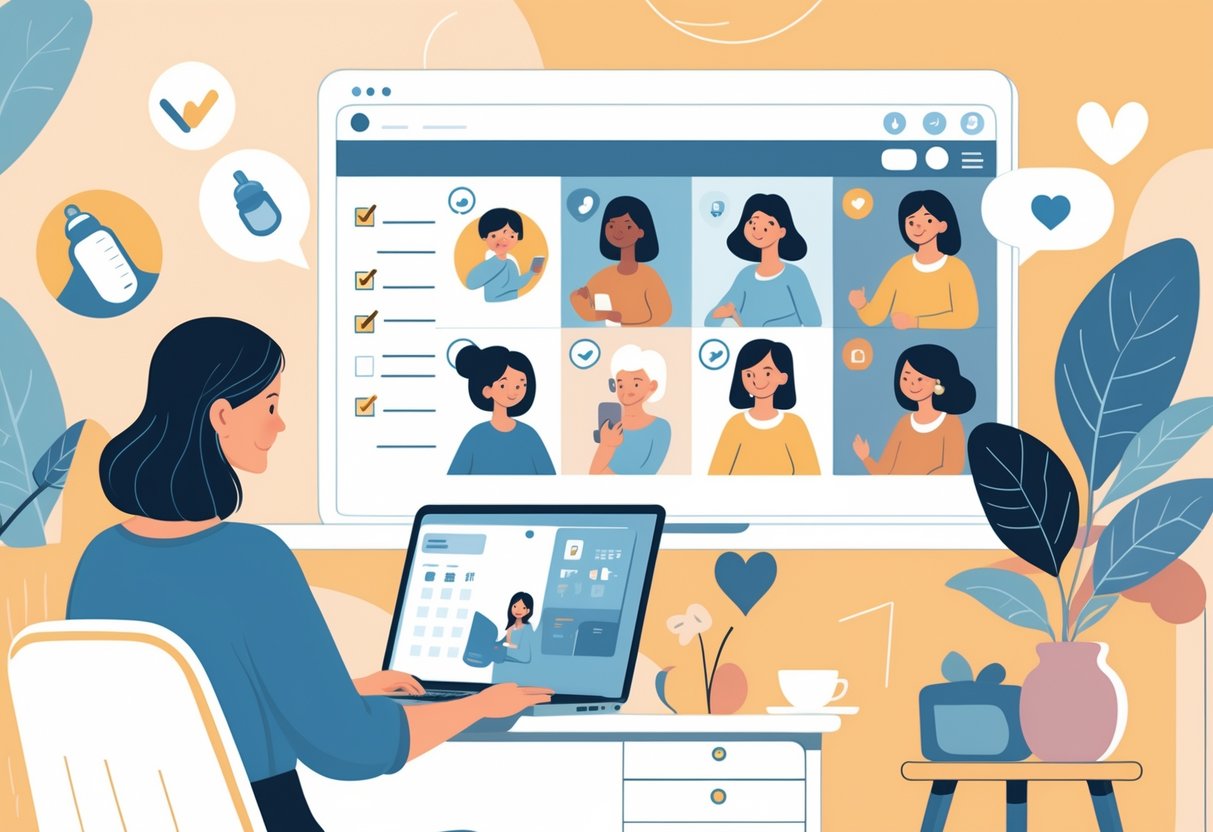
A strong parenting course helps moms build confidence in emotional regulation, positive discipline, and everyday problem-solving. It combines structure, interaction, and real-life topics so parents can connect theory to daily routines and child development.
Structuring Lessons for Busy Moms
Busy moms need learning that fits into tiny windows of free time. Breaking lessons into 10-15 minute modules helps them learn in short bursts. Use a simple structure like:
- A short video or audio clip
- A quick reflection question
- A short practice task
A sample schedule might look like this:
| Day | Focus | Time Needed |
|---|---|---|
| Monday | Positive communication | 15 min |
| Wednesday | Managing stress | 10 min |
| Friday | Encouraging independence | 15 min |
Moms benefit when lessons build on each other in small, steady steps. For example, start with emotional regulation before moving to discipline and family routines. Tools like checklists, downloadable planners, or printable goal trackers make learning easy to apply in real life.
Interactive Activities and Role-Playing
Hands-on learning keeps parents engaged. Including interactive activities like quizzes, reflection journals, or group discussions allows learners to test their skills in realistic settings. Role-playing can help moms practice calm responses to tantrums or sibling fights.
Platforms such as Parentinstructor’s guide suggest using scenario-based teaching to create real-world understanding. For instance, a parent might act out a bedtime struggle and focus on keeping their tone calm.
Encourage learners to record short notes about what worked and what didn’t. Online breakout groups and private chat spaces help moms share progress without judgment. These activities give them a safe place to build empathy, patience, and resilience—skills that strengthen both parenting and personal relationships.
Choosing Topics That Matter Most
The best courses focus on issues parents face daily. Topics like positive discipline, child development, and setting boundaries reach moms raising children of different ages or with disabilities. Programs such as HeadStart’s parenting curriculum highlight the importance of balancing nurturing with clear expectations.
Include templates and examples, such as a “calm corner plan” to teach emotional control or a “family routine chart” to handle busy mornings. Invite reflection with quick questions like, “What triggers make mornings stressful?”
When topics connect directly to family life, moms remember them and keep using what they learn. This keeps the course practical, personal, and worth their time.
Core Topics Every Parenting Course Should Cover
Strong parenting courses give moms tools they can apply in daily life. They help families communicate clearly, stay calm under pressure, and take responsibility for their actions in fair ways.
Effective Communication and Building Trust
Every parent wants their child to feel heard. Clear, calm communication creates a safe space for kids to share feelings—even tough ones. When moms teach this in an online course, they can show how tone and body language affect trust.
A simple three-step method works well:
- Listen without interrupting.
- Repeat what you heard in your own words.
- Respond with empathy, not judgment.
Courses can use short video demos or role-play examples to make these skills real. Instructors might also include printable scripts for common moments like “ending a screen-time argument” or “handling grocery store meltdowns.”
For inspiration, the Core Skills for Confident Parenting Course highlights how clear rules and steady communication encourage self-discipline and emotional growth.
Boosting Emotional Intelligence in Families
Emotional intelligence helps children manage feelings and respond thoughtfully instead of reacting fast. Teaching parents how to recognize emotions—both their own and their kids’—creates stronger family bonds.
A simple feelings check-in template helps:
| Time of Day | Emotion | What Triggered It | Calming Action |
|---|---|---|---|
| Morning | Frustrated | Forgot homework | Took deep breaths |
Encouraging regular check-ins builds emotional awareness. Moms can show parents how to label emotions (“I feel nervous”) instead of pointing blame (“You made me mad”). Courses like Everyday Parenting: The ABCs of Child Rearing demonstrate small behavior changes that make big improvements at home.
Teaching these skills gives parents tools to model calm, thoughtful responses their children will copy naturally.
Managing Conflict and Accountability at Home
Conflict happens in every home, but how parents handle it shapes a child’s sense of fairness and responsibility. A balanced approach keeps everyone accountable without shame.
Instructors can introduce a family accountability chart where each member tracks responsibilities—like chores or homework—and celebrates completed tasks. Visual reminders reduce constant nagging.
When conflicts arise, moms can guide families through short “pause and plan” moments:
- Take a breath before reacting.
- State what happened using facts.
- Choose one fix-it step together.
Courses that include these structured moments, like the Positive Action parenting curriculum, help families build habits that make communication more peaceful and consistent.
Supporting Mental Health While Teaching Parenting Skills
Running an online course while caring for kids can feel like a full-time balancing act. Moms need ways to keep their emotional wellbeing steady, support children with unique needs, and build a family culture of strength and flexibility.
Handling Stress and Emotional Health
Teaching and parenting both demand patience and self-control. Moms who build in daily emotional check-ins often handle stress more effectively. A short self-care routine such as five minutes of deep breathing or writing three things they’re grateful for can shift mood and focus.
Online programs like Mom Power show that combining parenting lessons with mental health support helps reduce anxiety and depression. Moms can model what emotional regulation looks like by calmly naming feelings—“I’m frustrated right now, so I’m taking a break”—so kids learn healthy coping.
A quick template can help:
| Time of Day | Quick Reset Idea | How It Helps |
|---|---|---|
| Morning | Stretch for 2 minutes before checking phone | Prevents mental overload |
| Afternoon | Listen to calming music with the kids | Builds emotional connection |
| Evening | Write down one success from the day | Encourages confidence |
Including Disabilities and Special Needs
Families managing disabilities face extra layers of stress. It helps when moms include adaptive parenting tools in their courses—such as visual schedules, flexible routines, or positive behavior charts. Sharing tips from evidence-based models like Parent Management Training can guide families through behavior challenges while supporting parent mental health.
They can also encourage parents to build small support circles. This might include a therapist, teacher, or another parent who understands similar challenges. Using short video demos or printable templates keeps online lessons easy to follow for tired or overwhelmed parents.
Even small wins count. When a child meets one goal on a chart—whether it’s brushing their teeth or finishing homework—parents should celebrate progress, not perfection.
Encouraging Resilience in Moms and Kids
Resilience grows through small, steady habits. Programs like the Strengthening Families Program focus on teaching skills that build both confidence and problem-solving. Moms can weave this approach into their courses by offering family activities that teach teamwork—like group cooking or shared journaling.
Teaching reflection also matters. Asking questions such as “What went well today?” or “What could we try differently next time?” helps kids (and parents) think about challenges rather than avoid them.
Moms can end each session with a quick three-step resilience check-in:
- Name one stressor.
- Identify one coping strategy that worked.
- Write down one goal for tomorrow.
These small steps reinforce calm, model perseverance, and remind families that growth happens through daily effort, not perfection.
Practical Steps to Launch Your Parenting Course Online
Creating and selling an online parenting course works best when moms focus on practical planning, consistent messaging, and community support. Success depends on choosing a platform that fits their needs, finding creative ways to reach other parents, and building trust through shared experiences.
Picking the Right Platform for Moms
Choosing where to host an online parenting program sets the tone for both learning and teaching. Platforms like Thinkific, Heights Platform, or Hostinger’s step-by-step course guide make it easier to upload videos, manage sign-ups, and track progress. Each platform offers its own tools, pricing, and customization features.
Busy moms benefit from platforms that handle technical setup with simple drag‑and‑drop tools. A table comparing a few options can help narrow choices:
| Platform | Best For | Standout Feature |
|---|---|---|
| Thinkific | Structured parenting classes | Easy course templates |
| Heights Platform | Selling and marketing courses | Built‑in payment tools |
| CustomerHub | Quick launches | Helpful support and integrations |
Starting with free trials lets moms test what works before committing. They can upload a short lesson or worksheet to see if the layout feels intuitive. Keeping the design clean and mobile‑friendly helps parents learn on any device while managing family life.
Marketing Tips for Mom Entrepreneurs
Marketing doesn’t need to feel overwhelming. Moms can break it down into small, consistent steps. Creating and selling a parenting course starts with understanding who needs it most—new moms, blended families, or parents of toddlers.
Simple marketing checklist:
- Share stories about real parenting wins and challenges.
- Post short video tips on social media to show personality and build trust.
- Use email updates to offer quick parenting insights or discounts on upcoming classes.
She can also ask former students to share testimonials or join an affiliate referral system. Collaborating with parenting bloggers or local mom groups builds credibility. Honest engagement turns curious followers into long‑term learners.
Building a Supportive Community of Learners
A connected group keeps the course active and meaningful. Creating safe spaces for questions and shared experiences helps parents feel seen and supported. Platforms like Desygner’s tips on launching parenting classes show how group discussions and live Q&A sessions can strengthen an online parenting program.
Moms running parenting classes can organize:
- Private Facebook groups for easy chatting and check‑ins.
- Weekly live calls where parents swap strategies that worked.
- Small accountability circles for those who want deeper connection.
Encouraging empathy and patience keeps the community warm and welcoming. It becomes a space where parents grow more confident together, making the lessons in the online parenting course feel more personal and easier to apply at home.
Frequently Asked Questions
Moms who want to teach parenting skills online can start small by keeping costs low, choosing the right tools, and following clear certification guidelines. Simple platforms and free materials make it easier to build confidence while creating courses that truly help other parents.
How can I develop an engaging online parenting course on a tight budget?
She can start by outlining what parents want to learn most—like discipline methods, communication tips, and stress management. Then, record short videos using a phone and free editing software such as Clipchamp or Canva.
Free tools make course creation easier. Websites like Alison offer examples of well-structured parenting lessons that show how to organize short, flexible modules. She can use a simple template: intro video, lesson notes, quiz, and a reflection activity. This keeps learning interactive without costing much.
What certifications should I include with my co-parenting classes, and where do I obtain them?
To build trust with parents and courts, it helps to include a certificate of completion. Services like Course for Parenting Skills provide models for how certificates display participant names, completion dates, and course hours.
In some states, parenting educators can contact local family service agencies to verify requirements. After approval, they can issue certificates that meet those standards. Keeping the certification process clear and transparent helps ensure credibility.
Which platforms are best for hosting my parenting programs and why?
Platforms like Coursera and MyParentingClass show how structured, self-paced learning can attract busy parents. They make it easy to include video lessons, downloadable worksheets, and discussion boards.
For independent creators, affordable options like Teachable, Thinkific, or even private Facebook groups can work. These sites let moms upload content, connect with learners, and manage payments in one place.
Are there any free resources to help me create CPS approved parenting classes?
Yes, there are. Websites like Parent Instructor and OnlineParentingCenter explain how to align lessons with child protective services (CPS) standards. These resources help moms understand what documentation courts or agencies expect.
It’s also smart to look up sample course outlines from family service programs and adapt them. Starting with existing frameworks saves time and ensures that the material meets minimum legal and educational guidelines.
Can I offer court-approved content in my online parenting classes, and how do I get accredited?
To create court-approved content, she must follow local and state guidelines for parent education providers. Many states require a review process that checks lesson plans, instructor qualifications, and course outcomes.
Websites like Parent Instructor’s guide on teaching parenting classes share steps for preparing teaching materials, presenting content clearly, and promoting sessions to approved audiences. Accreditation often involves applying through family courts or community education boards.
What are the essential topics to cover in a parenting skills course for new moms?
Every new parent benefits from understanding basic child development, emotional intelligence, and positive discipline. According to The Ultimate Parenting Skills Training Guide for New Parents in 2025, lessons should include communication techniques, conflict resolution, and problem-solving.
Adding simple, relatable examples—like how to handle tantrums or set up morning routines—keeps learning practical. A weekly activity sheet or reflection journal helps parents put ideas into action and see progress over time.