Selling Digital Art And Canva Templates On Etsy For Busy Moms
Selling digital art and Canva templates on Etsy gives busy moms a flexible way to earn extra income without needing long hours or a big budget. It’s a creative side hustle that fits easily between school runs, nap times, and family evenings. You can turn simple designs—like planners, wall art, or social media templates—into passive income that keeps growing as your shop gains traction.
With free tools like Canva and a quick setup on Etsy, anyone can start creating digital products and listing them for sale. Sites such as Fit Small Business explain how easy this process can be. Many start with small projects like wedding planners or digital prints and expand once they see what sells best. Canva’s user-friendly design tools make it possible to build eye-catching designs even without graphic design experience.
Moms often find success by focusing on everyday needs—like printable meal planners, kids’ chore charts, or Instagram post templates. The secret is creating something practical and visually appealing that others can easily customize. Once the designs are ready, Etsy handles the rest, delivering downloads instantly while sellers focus on creating the next idea.
Key Takeaways
- Selling digital art and Canva templates on Etsy can build steady side income
- Starting is simple with free design tools and an Etsy seller account
- Success comes from solving real needs with creative, easy-to-use designs
How Selling Digital Art and Canva Templates on Etsy Works
Selling digital art and Canva templates on Etsy lets creative people share their designs while earning steady extra income. It doesn’t require shipping or inventory, so it’s easy to manage between family life and other responsibilities.
What Are Digital Products and Canva Templates
Digital products are files people download instead of physical items. These can include art prints, planners, wedding invitations, and social media graphics. Canva templates are editable digital files made in Canva. Buyers use them by clicking a link, opening the design, and customizing it in their own Canva account.
Each template can serve a different need—birthday party invites, Instagram posts, or home organization planners. Moms who already know how to use Canva can quickly design items families or small businesses want.
Selling digital products is appealing because the same file sells again and again without extra effort. Platforms like Etsy make it simple to list and sell Canva templates, giving sellers access to a huge audience looking for easy-to-use downloads.
The Appeal of Etsy for Template Sellers
Etsy makes starting an online shop simple, even for beginners. Sellers don’t need a website because Etsy handles payments, listings, and customer messages. This makes it ideal for people managing home and family schedules.
Digital downloads, like Canva designs, are always available once listed. No packaging, no shipping labels—just upload and sell. Customers searching for planners or templates already visit Etsy daily, creating organic traffic for each Etsy shop.
A new seller could start by offering one small bundle, such as printable meal planners, then expand to more designs. According to Growing Your Craft’s guide, creating templates that solve real problems—like organizing chores or planning events—helps listings stand out.
How Passive Income is Possible
Passive income happens because digital files sell repeatedly without extra work after setup. Once the design is finished and uploaded, each new sale delivers instant profit since there’s no cost to reproduce the product.
Moms balancing kids and side hustles find this appealing because the upfront design time pays off long term. Etsy handles payments and provides automated file delivery, freeing up time. Detailed listings with clear photos and accurate tags help templates reach the right buyers.
While digital sales still need some care—updating keywords or responding to messages—the income becomes steady once listings gain traction. As explained on Outfy’s blog, even one strong product can sell hundreds of times a year.
Overview of the Selling Process
Selling on Etsy involves a few clear steps. Below is a quick outline moms can follow when getting started:
| Step | Task | Tip |
|---|---|---|
| 1 | Create templates in Canva | Use free Canva elements to keep costs low. |
| 2 | Save as shareable link | Ensure the design is editable for buyers. |
| 3 | Upload to Etsy | Add mockups or photos showing how the design looks when used. |
| 4 | Write a detailed listing | Include keywords like social media template or printable planner. |
| 5 | Set prices and tags | Research similar items first. |
| 6 | Promote your shop | Share on Pinterest or Instagram for visibility. |
Short bursts of effort—such as uploading new listings during nap time—can quickly build a catalog. Some creators, like those in Printify’s guide on selling Canva templates, suggest testing small product batches before scaling. Over time, consistent updates and clear branding help a shop grow with minimal daily work.
Getting Ready: Tools and Accounts You Need
Before a busy mom dives into selling digital art or Canva templates, a few key tools make the process smoother. A good design platform, an online shop, and a clear plan for how to use both help save time and prevent frustration later.
Setting Up Your Canva Account
She starts by creating a Canva account, which takes just a few minutes. Canva lets users design digital art, planners, invitations, and social media templates without needing graphic design experience. To begin, she visits Canva’s website and signs up using her email, Google, or Facebook account.
Once logged in, she can organize folders for different projects. For example, one folder could be for “Etsy shop templates” and another for “client designs.” Using consistent naming keeps everything easy to find when juggling kids and work.
Moms often love Canva’s drag-and-drop tools and pre-made design elements. These make it simple to create professional work while waiting in the school pickup line. Choosing from preset sizes like A4, Instagram Post, or Etsy Listing Image helps save extra steps later.
She can also upload her brand colors, fonts, and logos into the “Brand Kit” feature, even on the free version. This setup keeps her designs looking clean and consistent across all products.
Registering an Etsy Seller Account
Next, she needs an Etsy seller account to list her digital designs. On Etsy’s official site, she clicks “Sell on Etsy” and follows the prompts to create a new shop.
Etsy asks for a shop name, currency, and country. She should choose a simple, memorable shop name, like “CreativeMomPrintables.” Clear branding helps shoppers trust her store.
After creating the account, she adds a profile photo and short bio. Buyers love knowing there’s a real person behind the products. She can write a few casual sentences about her life, such as balancing kids, coffee, and creativity. Then, she sets up payment preferences through “Etsy Payments” to receive earnings directly to her bank.
Before listing products, she should upload a banner image and shop logo using Canva for a professional look. Simple consistency between her shop and product photos builds customer confidence.
Deciding Between Canva Free vs Canva Pro
She can design and sell templates using either Canva Free or Canva Pro. According to Gold City Ventures, users now can share template links from both plans, making it easier to sell without paying extra.
Canva Free works well for beginners. It still includes thousands of fonts, shapes, and images. Moms who are testing Etsy as a side hustle may want to start here, creating template links to share with buyers. However, some graphics and tools are restricted unless she upgrades.
Canva Pro offers benefits that make life easier when sales grow. It allows for one-click resizing, background remover, and access to a huge image library. She can also create brand kits with multiple color palettes and upload her own fonts.
A quick comparison table helps her decide:
| Feature | Canva Free | Canva Pro |
|---|---|---|
| Shareable Template Links | ✔ | ✔ |
| Background Remover | ✖ | ✔ |
| Brand Kit | Basic | Advanced |
| Stock Photos | Limited | Full Access |
| Resize Tool | ✖ | ✔ |
For moms designing regularly or running multiple listings, Canva Pro may save time and lead to more polished products.
How to Create Profitable Canva Templates and Digital Art
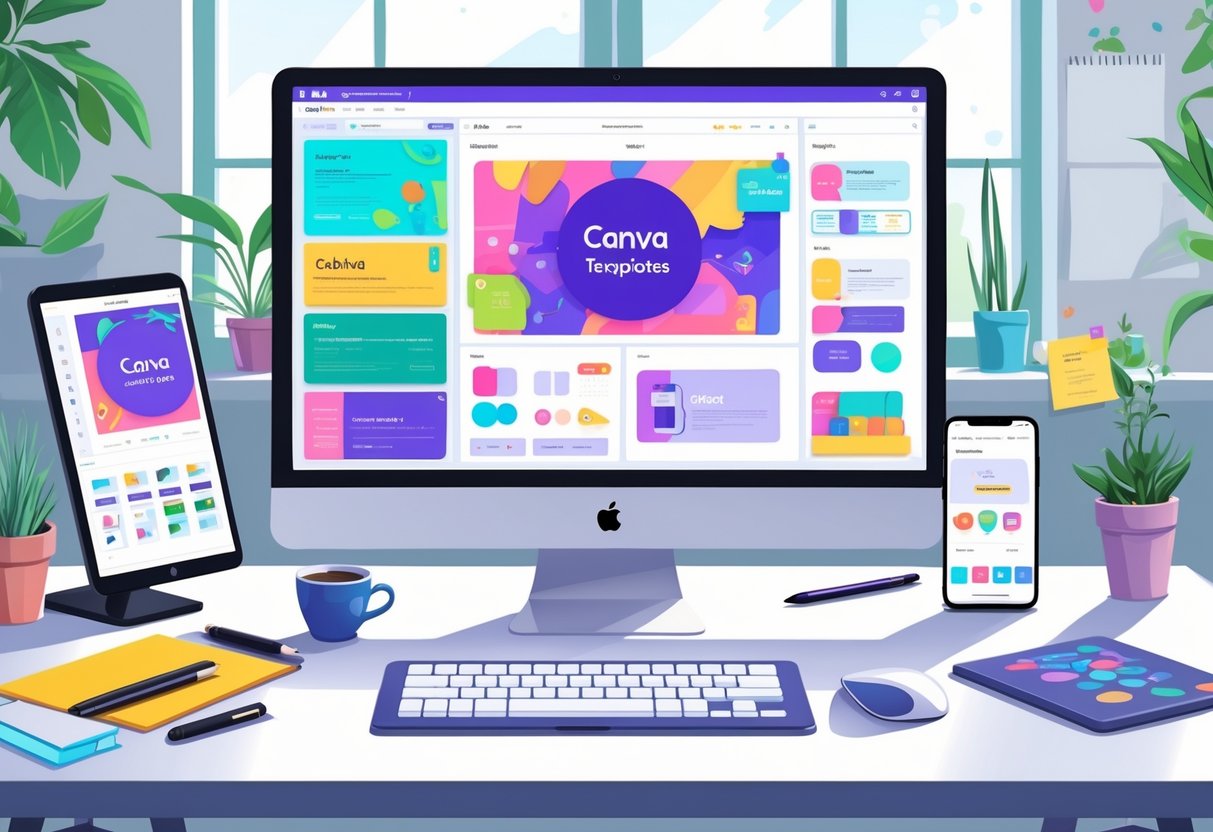
Good Canva templates and digital art stand out because they solve real design problems. They use clean layouts, smart use of color, and offer easy customization that saves buyers time. Designs that balance originality with flexibility tend to perform best in the Etsy marketplace.
Choosing a Niche and Trending Template Ideas
Picking a strong niche helps sellers attract the right audience. She might focus on planners, wall art, resumes, or social media templates—categories that consistently sell well on Etsy. For example, teachers love printable classroom posters, while small business owners often look for editable marketing templates.
Checking what’s trending matters. Sellers can explore how to sell Canva templates on Etsy to see which products are popular this year. Simple designs like minimalist Instagram packs or seasonal party printables often attract quick buyers.
A useful trick is to mix personal interests with market demand. A mom who enjoys home organization could design printable meal planners or budgeting trackers. Meanwhile, digital artists may find success with wall art focused on calming colors or family affirmations.
Tip: Keep an idea list of at least 10 template concepts. Update it monthly to stay aligned with what buyers want.
Designing Original Templates from Scratch
Originality helps sellers stand out from the flood of copycat Canva designs. They should avoid duplicating others’ work and instead use the tools inside Canva Pro to build their own layouts. Features like grids, alignment lines, and color palettes make it easy to create balanced and professional designs.
To start, open a blank page, choose a standard size, and plan the design flow. A good approach is to sketch ideas on paper first. After creating a design, sellers can attach a Canva template link that customers can access instantly after purchase.
Those interested in deeper tutorials can look at how to make money selling digital products on Etsy with Canva templates. It explains how to use high-quality fonts and copyright-friendly graphics.
It pays to test designs before listing them by sharing previews with friends or small business groups. Feedback often helps simplify layouts and make them more user-friendly.
Ensuring Your Templates Are Customizable
Buyers love templates they can edit easily. Customizable designs can adapt to different colors, text, and formats without breaking the layout. A smart template builder keeps all elements properly aligned so edits don’t shift other content.
She should design using text boxes, grouped shapes, and placeholder photos. A buyer should be able to change text or images in seconds. This flexibility makes templates feel worth the price, especially for non-designers.
Adding short instructions directly within the design or in a PDF guide helps. For Canva templates, sellers can include a “Read Me” file with step-by-step directions for using links and editing designs.
Sellers can also learn from profitable Canva template guides that show ways to structure templates for both desktop and mobile users. Simple polish—like clear font hierarchy and white space—makes a big difference in how customers rate the experience.
Essential Design Tips for Beginners
Designing profitable printables and templates doesn’t require formal training. Beginners can start by using simple color schemes and clean typography. Canva offers pre-set font pairings that take the guesswork out of matching styles.
To make designs consistent, sellers should build a small brand kit with colors and fonts they use in every product. It saves time and helps the shop look cohesive.
Testing different versions helps too. Create two versions of a printable planner, one colorful and one neutral, then track which one sells more. Templates can easily be adjusted later to match customer feedback or seasonal needs.
Another helpful approach is studying other sellers in the same niche through complete guides on selling Canva templates. Observing what works in popular shops gives beginners clues about pricing, thumbnail design, and clear listing descriptions.
With practice and a few early sales, even beginners can turn simple Canva designs into a repeat income stream that fits flexible family schedules.
Understanding Canva Licensing and What You Can Sell
Many moms start an Etsy shop to earn a little extra cash using Canva’s easy design tools. To protect their business, they need to understand what Canva actually allows. Knowing how Canva licensing works helps them stay compliant, avoid takedowns, and build trust with buyers.
Canva’s Rules for Selling Templates
Canva gives both Free and Pro users licenses that allow them to create and sell digital and physical products. According to Canva’s official guide on creating products for sale, users can sell customized designs such as planners, posters, t-shirts, or social media graphics. However, they can’t resell Canva elements “as-is.”
That means a seller can’t just download a stock template, slap on a new title, and list it on Etsy. The design must show original work—like adding colors, fonts, or layouts that make it unique.
Quick example:
- ✅ She can sell a “Meal Planner Template” she designed using Canva elements but added her own layout and branding.
- ❌ She cannot sell the exact Canva template she found in the library without changes.
Moms who want to learn how to sell Canva templates successfully often focus on creating editable templates that customers can personalize after purchase.
Legal Dos and Don’ts for Sellers
Selling Canva templates comes with legal limits. Canva’s Content License Agreement explains that templates made with Canva assets are for individual commercial use, not resale as design tools. In simple terms, sellers can create finished products but not redistribute Canva itself.
Do:
- Create and sell finished designs or editable templates.
- Credit Canva only when required.
- Double-check licenses for specific graphics or fonts.
Don’t:
- Sell, share, or give away Canva’s raw templates.
- Use trademarked logos or copyrighted materials you don’t own.
- Claim exclusive rights to Canva elements.
A smart step for busy moms is to keep a short list of approved elements or purchase Pro assets that include commercial rights. It saves time and prevents stress later.
Sharing Your Templates Safely
When selling editable designs, sellers often need to share Canva links with buyers. It’s important to share them the right way. According to guides on template licensing, sellers should use “template links” instead of editable design links.
A template link lets buyers make a copy without editing the original file. This keeps the master design safe and avoids confusion if multiple customers open the same link.
Example setup:
- Open the design in Canva.
- Click “Share” → “Template link.”
- Add a PDF instruction sheet with that link for Etsy buyers.
Moms juggling family and business can also add a quick note in Etsy listings like “Includes an editable Canva link—no Canva Pro required.” It keeps things simple and clear for buyers while protecting their hard work.
Listing and Marketing Your Digital Products on Etsy
A strong Etsy shop stands out when each product listing looks polished and uses clear marketing. The right keywords, professional mockups, and detailed descriptions work together to build trust and attract repeat buyers.
Optimizing Listings with SEO and Keywords
Good search visibility starts with understanding what buyers type into Etsy’s search bar. She can begin by using keyword tools or Etsy’s own suggestions to find phrases like printable wall art or Canva planner template. Each listing should use a main keyword in the title, tags, and description.
It helps to organize this process with a simple table for easy reference:
| Listing Type | Primary Keyword | Related Keywords |
|---|---|---|
| Printable Planner | Canva planner template | digital planner, daily planner printable |
| Wall Art | digital art print | boho wall decor, printable art, modern prints |
He should keep keywords natural and avoid stuffing them. Updating tags monthly can also help listings stay relevant. Many sellers find insight in guides like the Ultimate Guide to Selling Digital Products on Etsy when choosing SEO strategies.
Using Mockups and Product Images
Strong visuals make listings look more professional and trustworthy. Mockups help buyers imagine what the product will look like in their space. For example, she could show printable art hanging in a cozy living room or a Canva planner displayed on a tablet.
Free tools like Canva or smart mockup generators simplify this. She might use 3–5 images per listing. The first photo should be bright, uncluttered, and clearly show the product’s best features. Adding images that highlight product details—like editable text areas or file sizes—reduces confusion.
Consistent shop branding across all images helps a store feel cohesive. That includes uniform color tones, logo placement, and fonts that match her banner design. Etsy recommends similar photo standards in its Seller Handbook.
Writing Compelling Descriptions That Convert
Descriptions confirm what images show. They should be short, skimmable, and answer key buyer questions. Many shoppers browse quickly, so short paragraphs and bullet points work best.
A helpful layout includes:
- What’s included: number of files, file types, and sizes
- How it works: download steps and any Canva access link
- Who it’s for: busy moms, students, small business owners, or gift-givers
Using Etsy ads can boost traffic, but clear writing turns views into sales. The guide on selling digital downloads on Etsy in 2025 reminds sellers to focus on readability and tone. Buyers appreciate warm, friendly communication, so using phrases like “you’ll get instant access” feels personal.
These small details—right keywords, real-life mockups, and honest descriptions—help digital sellers build credibility and earn more consistent sales, even with limited time between family duties.
Delivery, Customer Experience, and Scaling for Success
Moms growing an Etsy business can earn steady income by focusing on smooth delivery, clear communication, and smart growth. Good systems let them spend less time troubleshooting and more time designing new Canva templates or relaxing with family.
How to Deliver Canva Templates to Buyers
When sellers list Canva designs or digital art, they must make the delivery process simple and instant. Many sellers attach a PDF download that includes a clickable Canva template link. Buyers click the link, add the template to their own Canva account, and start editing right away. This process works well because it avoids manual file transfers.
She can use tools like Canva’s Share Template link feature for editable files. A short note such as “Click below to open your Canva design” keeps buyers from getting confused. Adding a quick one-page guide with screenshots helps reduce questions.
Some sellers use editable delivery templates from Etsy listings designed for digital product delivery. These pre-made PDFs save time and give a polished impression to buyers. Automating delivery ensures every buyer receives their files immediately after payment, creating a smoother buying experience and fewer messages to manage later.
Handling Customer Questions and Support
Clear instructions upfront prevent most customer problems. But when messages come in, replying within 24 hours helps build trust and repeat sales. Short, kind responses make customers feel cared for, even if she’s replying between school pickups.
A quick FAQ section in each listing can answer common questions like how to edit a Canva file or resize artwork. For repeated requests, she can create a short text file or script to copy and paste replies. It saves time while keeping responses consistent and polite.
If a buyer struggles with file access, she can resend the link or offer a new download PDF. Consistency and empathy turn one-time buyers into loyal fans who recommend the shop to others.
Strategies for Growing Your Etsy Shop
Scaling means doing more with less effort. Sellers can refresh old listings with new thumbnail images, descriptions, or size variations. Using Canva’s design tools lets them update their bestsellers quickly and stay current with seasonal trends.
They can group products into themed bundles—like “home office planners” or “family wall prints.” Bundles help raise the store’s average order size. Offering printable wall art alongside editable templates opens extra revenue streams without much added work.
To stand out, sellers should study what’s working for others on Etsy’s digital art community. Smart pricing, eye-catching images, and detailed instructions make listings look professional. Over time, good reviews and repeat customers make selling Canva templates on Etsy a reliable source of side income.
Inspiring Product Ideas and Popular Niches
Moms who sell Canva designs on Etsy can create income streams that fit into their family routines. The most successful niches solve specific problems and help buyers look professional with minimal effort. Clear designs, easy customization, and time-saving templates make all the difference.
Social Media Templates
Social media templates save small business owners hours of design work. Many Etsy sellers create bundles for Instagram, Pinterest, and Facebook that include editable posts, reels covers, and story graphics. These products stay in demand because businesses always need fresh content.
To stand out, sellers can make templates that fit a specific audience—like handmade shops, mom bloggers, or fitness coaches. Each set can include consistent colors, fonts, and space for brand logos.
Practical tips help buyers use their designs easily. Adding a short “How to Edit” PDF or a link to Canva tutorials can reduce customer questions. Sellers inspired by current trends can browse top-selling Canva digital product ideas for themes that perform well on Etsy.
A quick starting idea:
| Template Type | Example |
|---|---|
| Instagram Carousel | “5 Morning Habits” layout |
| Pinterest Pin | Recipe or DIY series |
| Story Bundle | Seasonal sale or product launch |
Wedding Invitations and Event Designs
Customizable wedding invitations and event templates continue to be reliable sellers on Etsy. Many couples prefer editing their own invitation in Canva so they can print or send it digitally right away. Designs that include RSVP cards, menus, and seating charts bring in more sales.
Moms who enjoy designing can focus on life events—baby showers, birthday parties, or graduations. Buyers love themed collections that include matching pieces, such as thank-you cards and signage.
Adding editable text boxes and instructions inside Canva helps buyers feel confident. Templates that follow popular color palettes (dusty blue, sage green, or minimalist black and white) often attract engaged couples. To explore more profitable options, sellers can check out popular Canva-made digital products to sell on Etsy.
Digital Planners and Printables
Digital planners and printables let customers organize their goals without needing physical notebooks. These files sell well because users can reuse them in apps like GoodNotes or print them on demand. Sellers who prefer structure can offer productivity planners, budgeting sheets, or wellness trackers.
Parents who juggle multiple schedules can design planners that truly help. For example, a “family schedule” page that syncs school, meal, and chore plans can appeal to other busy moms.
A quick workflow idea:
- Sketch planner sections on paper.
- Create matching Canva pages using a simple grid layout.
- Export as a fillable PDF or digital tablet file.
For inspiration, creators can review best-selling Canva template ideas that make money. Consistent styles, neutral colors, and easy-to-read fonts keep planners useful and attractive.
Business Cards and Branding Kits
Etsy shoppers often look for branding help they can afford. Business cards and branding kits built in Canva give them a quick, professional start. A standard kit might include a logo, color palette, and social media profile images.
Sellers should keep designs flexible so buyers can swap in their own colors or fonts. Offering a mini tutorial on editing the elements can make the purchase more user-friendly.
Some shops bundle matching logo variations and stationery to increase value. For instance, a “chic minimalist branding set” could include:
- Square and horizontal logo versions
- Business card front and back
- Instagram highlight covers
The top 10 digital products to sell on Etsy with Canva templates suggest that personal branding designs perform strongly. Simple, timeless styles often outlast trends and keep drawing customers month after month.
Frequently Asked Questions
Moms looking to earn extra income can start selling creative digital art and Canva templates on Etsy with a few simple steps. Understanding how to list items, set fair prices, and follow Etsy and Canva rules helps keep everything running smoothly.
How do I start selling my digital art on Etsy?
They can begin by opening a free Etsy account and setting up a shop with a clear name and friendly branding. After uploading digital files like printable wall art, planners, or stickers, they should write short, keyword-rich titles and descriptions that shoppers can find easily.
For example, a mom could list a “Minimalist Family Calendar” or a “Kids’ Chore Chart Bundle.” She can preview other listings on Fit Small Business’ guide on selling Canva templates on Etsy for inspiration on setup basics.
Can I sell Canva templates on Etsy without a Pro account?
Yes. They can sell templates made with a free Canva account as long as those templates use only free elements and fonts. Canva Pro is not required, but any Pro graphics, photos, or icons need a license for commercial use.
To stay safe, sellers should double-check that all content is editable and original. Sites like Growing Your Craft explain how to confirm licensing rights before uploading designs.
What are some top tips for marketing my Etsy digital art shop?
Moms can market their shops by sharing behind-the-scenes stories on Instagram or TikTok and linking back to Etsy. Consistency is key — posting a few times a week builds trust with potential buyers.
Using bright product photos and adding seasonal tags like “holiday gift” or “new year planner” helps listings show up in searches. Even sending thank-you notes with a coupon code can keep customers coming back.
Are there any legal issues I should be aware of when selling Canva templates?
Yes. Sellers must follow Etsy’s digital product rules and Canva’s license terms. Templates should never include unlicensed Pro graphics or copyrighted material.
Reading up on rules and strategies for legal Canva template selling can help them avoid takedowns. It’s also smart to create original layouts instead of using Canva’s pre-made designs exactly as they are.
What kind of digital art sells best on Etsy?
Buyers often look for home decor prints, planners, invitations, and templates that make life easier. Family-friendly items, like printable meal planners or kids’ routine charts, tend to sell well because they solve daily problems.
Trendy bundles — such as “self-care wall art sets” or “boho nursery prints” — can help sellers stand out. Checking what’s popular with bestsellers on Etsy gives clues about what buyers love.
How do I price my digital art and Canva templates for my Etsy store?
Start by checking similar listings on Etsy to find an average price range. Many sellers price simple digital prints between $5–$15 and larger bundles between $20–$30.
Pricing also depends on file quality, originality, and time spent designing. A good rule is to test prices and adjust after seeing what customers respond to, as explained in Printify’s guide to selling Canva templates.