Setting Up an Etsy Shop for Custom Party Decorations Without Investment Made Easy

Turning creativity into income doesn’t have to cost a thing. Many moms find that selling digital or made-to-order decorations on Etsy offers a flexible way to earn from home. You can set up an Etsy shop for custom party decorations without investment by focusing on digital designs, printables, or made-to-order pieces that don’t require upfront materials.

Imagine crafting birthday banners, cupcake toppers, and invitation templates during nap time, and watching them sell while dinner cooks. It’s realistic and doable with the right plan. Etsy lets sellers open a shop for free and only charges small fees when items sell, making it simple to test ideas before spending money.
She can start by exploring how to start an Etsy shop with no money to learn the basics, then personalize her store to match her brand and family life. With a few creative templates and steady effort, even the busiest mom can build a small, rewarding hustle that grows over time.
Key Takeaways
- Learn simple ways to set up and sell custom decorations on Etsy with no upfront costs
- Build a shop that fits your style and family schedule
- Grow your shop by improving product visibility and customer experience
Getting Clear on Your Custom Party Decorations Niche
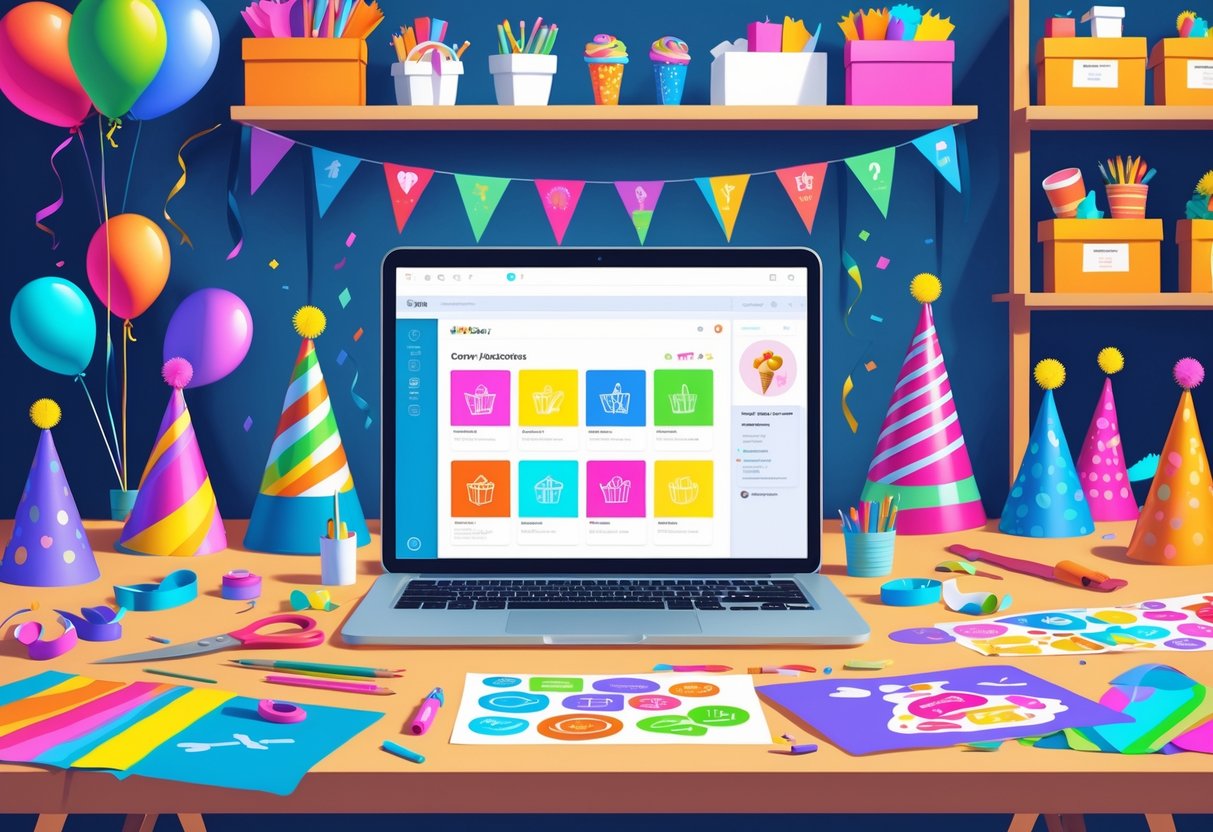
Choosing the right niche helps shop owners focus their time and energy on products that sell and reflect their style. They should look at what people are already buying, what’s trending, and what types of products fit their skills and resources.
Finding Profitable Custom Party Ideas
Finding a profitable idea starts with knowing what makes a product both personal and practical. Items like personalized cake toppers, banners, printable invitations, and stickers often sell well because buyers love unique touches. On Etsy, handmade goods and custom products have the strongest demand when they feel thoughtful and well-designed.
A quick way to brainstorm is to list what people celebrate: birthdays, baby showers, weddings, and holidays. Under each event, note what decorations families usually need. If someone enjoys crafts but wants to stay digital, printable kits for decorations can save time and shipping costs. Sites like Marketsy explain that Etsy buyers often look for items with a personal element or creative twist.
A simple worksheet can help:
| Event Type | Example Item | Custom Option |
|---|---|---|
| Baby Shower | Printable sign set | Add baby’s name |
| Wedding | Candle favor tags | Include custom date |
| Birthday | Banner | Include age and name |
Market Research for Trending Party Decor
Good market research goes beyond guessing what will sell. Shop owners should look at what’s featured in the Etsy trending section or browse high-performing shops in the same category. The Nichehacks guide recommends analyzing top sellers’ descriptions, product counts, and review keywords to see what buyers appreciate most.
They can list common themes such as color palettes, seasonal décor, or popular materials like kraft paper and glitter cardstock. Reading reviews reveals what customers wish existed—maybe faster shipping on craft supplies or more editable digital printables.
A simple step-by-step routine:
- Search three event types on Etsy.
- Note pricing and average review scores.
- Identify gaps, such as missing color options or outdated designs.
This small routine helps them spot opportunities before investing time in a product that may not sell.
Choosing Digital vs. Physical Products
Moms balancing home life often find digital products like printable banners, stickers, or templates easier to manage because they require no storage or packaging. Sellers can upload editable files and deliver them instantly, keeping startup costs near zero. The Succeed With Content guide notes that using high-quality, consistent images helps digital and physical listings look more professional.
Physical products, such as handmade garlands, candles, or vintage party supplies, appeal to shoppers who prefer tactile, ready-made décor. But these come with material expenses, shipping, and inventory tracking.
When deciding, makers can ask three simple questions:
- Do they enjoy crafting or digital design more?
- How much time do they have for packaging?
- Can they handle fulfillment during busy family weeks?
Choosing a path that fits their lifestyle keeps the shop fun instead of stressful.
Preparing to Set Up Your Etsy Shop for Free
Starting an Etsy shop without upfront costs takes planning and creativity. It begins with organizing ideas, checking Etsy’s rules, and finding affordable or free tools to make and list products. A little preparation helps new sellers feel ready to open with confidence.
What to Do Before Opening an Etsy Shop
Before becoming an Etsy seller, they should decide exactly what kind of party decorations to make—like banners, cupcake toppers, or printable invites. Writing these options down in a small table helps narrow focus.
| Product Type | Materials Needed | Time to Make | Shipping Required |
|---|---|---|---|
| Custom banners | Paper, twine | 30 mins | Yes |
| Printable invites | Canva or design software | 20 mins | No |
Etsy’s official guide to opening a shop walks beginners through naming the shop, choosing a logo, and setting up payment methods. They can brainstorm names that reflect their style—something that feels fun and simple for party decor.
She can practice her photography using her phone and natural light near a window. Listing photos that show products in use (like a birthday banner hanging above cupcakes) helps buyers imagine their own events. Checking out other shops in the Etsy community can spark ideas for pricing and presentation.
Etsy’s Rules on Custom and Digital Party Items
Etsy allows handmade, vintage, and craft supply items. For moms selling custom or digital decorations, that means each listing must either be made by them or designed by them. Digital products like printable invitations or banners don’t require shipping labels or inventory, which makes them perfect when learning how to start an Etsy shop with no money.
They should read Etsy’s terms carefully, especially around custom work. Buyers often expect item previews or proofs before finalizing designs. Sellers should state these steps in the product description.
They can also protect themselves by adding short shop policies. For example:
- No refunds on digital downloads once they’re sent.
- Turnaround time for custom edits (like adding a name) is 1–2 days.
Clear policies build trust and reduce later confusion.
Getting Your Supplies and Tools Ready
Even when starting with no investment, sellers can gather free or low-cost craft supplies by repurposing what’s already at home. Cardstock scraps, leftover ribbon, or mason jars can turn into unique decorations. Local craft swaps, buy-nothing groups, or school donation events can be great sources of materials.
Digital sellers might not need physical supplies but do need tools like free design software (Canva or Google Slides) and reliable internet. Before listing products, organizing files into labeled folders helps save time later.
She can create reusable templates for banners, tags, or labels to speed up custom orders. Keeping a checklist—printer ink, tape, scissors, packaging—makes sure she never runs out mid-order. Having everything ready means smoother shop operations once the first sale arrives.
Step-by-Step Guide to Opening Your Etsy Shop Without Investment

A new seller can open an Etsy shop for free using only determination and creativity. The key is to focus on setting up the basic structure of the shop—from account creation to payment setup—before spending money on materials or ads. Every step builds the foundation for selling custom party decorations confidently and safely.
Creating Your Etsy Account and Seller Profile
To create an Etsy shop, a new seller first needs a free Etsy account. Setting up is quick: go to the Etsy homepage, click “Sell on Etsy,” and follow the guided steps. The process doesn’t require a listing right away, which allows time to organize ideas and branding. A guide from Hollyland explains that sellers can open their account and prepare the shop before posting products.
Once the account is ready, the seller should set up a seller profile with a friendly photo and short bio. This builds trust and helps buyers connect with the person behind the decorations. Adding a profile banner or logo, even one made with free design tools like Canva, makes the shop look professional.
The Etsy Seller app helps busy moms run their shops on the go—checking messages, updating listings, or printing labels during school pick-up runs. Keep descriptions short and personal, and always write as if talking to another parent planning a birthday party.
Picking the Right Shop Name and Branding
Choosing a shop name takes thought because it becomes part of the shop’s identity. It should be short, easy to remember, and related to the custom party decorations offered. Sellers can brainstorm names by combining words that reflect both family and celebration—like “Tiny Fest Decor” or “Mom’s Party Studio.”
If the first choice is taken, Etsy suggests similar options. Keep names under 20 characters and avoid punctuation that complicates URLs. A helpful checklist for naming ideas can be found in this beginner guide.
Good branding also includes a shop logo, banner, and consistent color scheme. A mom can start with free templates to design a logo that fits both her taste and Etsy’s clean format. A simple color palette—like pastel pinks or gold accents—can give shoppers a cohesive feel, even before the first sale happens.
Setting Shop Language, Country, and Currency
When setting up the basic shop details, Etsy asks for shop language, country, and currency. These choices determine how listings appear and how Etsy calculates fees or taxes. English works best for most U.S.-based sellers, but sellers outside the United States can choose their native language for clarity and comfort.
The shop country affects shipping preferences and processing times. Choosing the right shop currency is also important since Etsy displays product prices in the buyer’s local currency based on the seller’s setting. Sellers can find detailed setup instructions in Etsy’s help guide.
If the seller lives abroad but ships mainly to the United States, setting prices in U.S. dollars helps avoid confusion. Before saving changes, double-check the details because Etsy doesn’t allow frequent edits to these fields once the shop goes live.
Setting Up Payment Methods and Security
To receive payments, sellers must use Etsy Payments, which accepts various methods such as PayPal, Apple Pay, Google Pay, and major credit cards. Etsy Payments keeps transactions smooth and manages taxes automatically for many regions. Using Etsy Payments also boosts buyer confidence because it ensures secure processing through Etsy’s protected system.
During setup, the seller provides bank information so Etsy can deposit earnings directly. For extra protection, enabling two-factor authentication helps prevent unauthorized access. Etsy guides sellers through this step to keep accounts secure and organized.
A mom working from home can track sales straight from the Etsy Seller app without worrying about complex accounting tools. Little Beauty Blog’s step-by-step guide reminds new sellers that opening a shop doesn’t require any upfront payment, making it perfect for anyone testing the waters before investing in large-scale supplies.
Listing and Showcasing Your Custom Party Decorations
She can make her Etsy storefront stand out by setting up clear, attractive listings with bright product photos and honest, keyword-rich titles. Each detail—from how she uploads digital files to how she captures color in her images—can make the difference between browsing and buying.
How to List Custom and Digital Party Products
When she lists custom products, she should choose a category that fits her item, like “Party Décor” or “Printable Decorations.” On the Create a Listing page, Etsy allows her to upload up to ten product images. Using all ten helps show every angle of her item, as noted in this guide to personalized party supplies.
For digital files, she should check the “Digital” option under “Type” so customers know instant downloads are included. She can upload her printable files directly to Etsy so buyers receive them automatically after purchase.
A simple listing template helps save time:
| Section | Example Entry |
|---|---|
| Title | Personalized Birthday Banner, Custom Name |
| Description Intro | “This handmade banner adds a personal touch to any celebration.” |
| Tags | custom banner, kid party décor, printable |
She can use calculated shipping for physical items so buyers pay exact shipping costs. Etsy listing fees are small, so creating test listings for several versions of an item helps her see which performs best.
Taking DIY High-Quality Product Photos
High-quality product photos attract shoppers fast. Even with a phone camera, she can take professional-looking shots using natural sunlight near a window. She should avoid overhead light that casts shadows and aim for clean, bright backgrounds.
Using a white poster board under the item and one behind it can create a simple photo setup that’s easy to store away after use. Etsy allows up to ten photos per listing, so she can include close-ups, scale shots, and styled setup shots showing how the décor looks at a party.
A quick step-by-step she can try:
- Wipe down the lens.
- Choose daylight by a window.
- Take several angles—front, side, close-up.
- Edit lightly only for brightness, not color changes.
Having consistent, high-quality images makes the shop look cohesive and builds buyer confidence, as explained in this Etsy guide on listings.
Writing Search-Friendly Titles and Descriptions
Etsy search favors listings with detailed, keyword-rich titles. She can think of what a shopper would type, like “custom birthday banner printable.” Mixing those words naturally in the title improves visibility.
The first 40 characters of the title matter most because that’s what buyers see first. She should front-load the most descriptive terms and separate them with commas or dashes for clarity. In the description, she can add short paragraphs that answer buyer questions—size, materials, shipping, and personalization steps.
Tips to keep writing easy:
- Use bold headers for options or materials.
- Write in bullet points for readability.
- End with a friendly reminder: “Need a different color? Message me!”
Including relevant tags and clear descriptions helps her Etsy listings reach more buyers. For extra clarity on how Etsy ranking works, sellers can check out how to sell party supplies on Etsy, which explains how presentation affects trust and sales.
Mastering Etsy SEO and Visibility on a Budget
Strong Etsy visibility starts with smart keyword use, clear product listings, and eye-catching images. With the right mix of free SEO tools and simple design platforms, sellers can bring steady traffic and sales without spending money upfront.
Keyword Research With Free SEO Tools
Good Etsy SEO begins with solid keyword research. Free tools like eRank and Marmalead help sellers find search terms real shoppers use for party decorations. These platforms show keyword popularity, competition, and related phrases. Sellers can use this data to write titles and tags that match what buyers type into Etsy’s search bar.
For example, replacing a vague term like “party decor” with a specific phrase such as “custom rainbow birthday banner” can raise visibility. A short daily routine might look like this:
| Step | Action | Time Needed |
|---|---|---|
| 1 | Open eRank’s free plan and type in a product (balloon garland, cupcake topper) | 5 min |
| 2 | Note long-tail keywords with low competition | 5 min |
| 3 | Add chosen keywords to titles, tags, and descriptions | 10 min |
Consistency in updating and testing phrases keeps listings fresh and helps Etsy’s algorithm recognize the shop as active.
Optimizing Tags and Categories for Party Decor
Etsy allows 13 tags per listing, which means each one should count. Sellers can mix broad and specific tags such as “birthday decorations” and “custom baby shower centerpiece.” Using combinations that reflect real event themes—like “blue first birthday” or “woodland cake topper”—makes searches more relevant.
To refine this, they can review how top-ranking items in their niche appear in Etsy SEO guides and see which tags those listings use.
Choose a category carefully since Etsy’s filters rely on it. A solid plan could include:
- Selecting the closest main category (e.g., Party Décor → Banners)
- Applying style attributes like “personalized” or “handmade”
- Reusing successful tags on new listings
Testing tag variations over time shows which phrases bring the most visits.
Using Canva for Attractive Images and Printables
Eye-catching listing photos help shoppers stop scrolling. Canva offers free templates perfect for moms who need quick, polished visuals. Sellers can create mockups of banners, invitations, or cake toppers without advanced design skills. Using consistent colors and fonts across photos makes the shop look cohesive and trustworthy.
A practical setup might include:
- Template – Choose a clean white background to focus on the decoration.
- Props – Add simple accessories like confetti or candles.
- Text overlay – Briefly highlight “custom colors” or “personalized name.”
Image sets should show a front view, a close-up, and one in use at a real party. With free Canva features and good lighting, sellers can level up their listings and drive organic clicks from search and social media.
Making Sales and Delivering a 5-Star Customer Experience
Selling custom party decorations takes more than pretty photos. It means setting smart prices, managing fees, keeping orders organized, and connecting with buyers in a way that builds trust and repeat sales. Each part of the process helps turn creative work into real income.
Pricing Your Etsy Products for Profit
Pricing can make or break a shop. She should start by listing every cost—materials, packaging, shipping, and time. Then, add a fair profit margin. Many beginners forget to account for their own labor, but her time matters too.
A simple formula:
| Cost Type | Example | Estimated Cost |
|---|---|---|
| Materials | Balloons, vinyl, glue | $5 |
| Labor (per hour) | 1 hour crafting | $12 |
| Packaging & Shipping | Boxes, tape | $3 |
| Total Base Cost | $20 | |
| Add Profit (30%) | $6 | |
| Final Selling Price | $26 |
Checking the competition on similar decorations—like listings in this Etsy seller guide on building buyer trust—can help her price confidently and still stand out. Offering bundle discounts or seasonal pricing helps attract new buyers without cutting too deep into profits.
Handling Etsy Fees and Payments
Running a shop without investment means understanding fees upfront. Etsy charges a listing fee (usually $0.20 per item), a transaction fee on each sale, and payment processing fees when customers pay through Etsy Payments.
A $25 product might earn around $21 after fees and costs. Breaking that down in a notebook or spreadsheet helps track true profit. A mom balancing home life and business can use free tools like Google Sheets to stay organized.
This step-by-step Etsy startup guide explains how Etsy fees work and when payouts arrive. Choosing weekly or biweekly deposits can make household budgeting easier. Staying aware of these small cuts prevents surprise expenses later.
Reviewing Shop Policies and Processing Orders
Clear shop policies protect both the seller and the customer. She should include details about processing times, returns, and custom requests. Writing these upfront saves time answering repeated questions later.
A quick example of a helpful tone:
“Each decoration is handmade upon order. Please allow 3–5 business days for crafting before shipment.”
Using Etsy’s policy templates ensures consistency. Double-checking every order before shipping helps prevent mistakes. Packaging that’s neat and labeled adds a personal touch, making families feel special when their box arrives.
For step-by-step setup tips, this guide to opening an Etsy shop walks through creating those important policy sections. Setting clear expectations builds confidence and encourages repeat customers.
Engaging With Customers and Gathering Reviews
Good communication turns one-time buyers into loyal supporters. When a buyer places an order, she can send a short thank-you message confirming details and delivery time. After shipping, a quick friendly note like “I hope the birthday banner made her day!” shows care beyond the sale.
Encouraging customer reviews makes the shop look trustworthy. Positive feedback also helps new visitors feel safe buying custom items. Adding a small handwritten note can remind customers to leave a review.
Shops that consistently respond to messages and resolve problems fast earn more visibility. According to the Gelato Etsy selling guide, fast replies and authentic communication improve customer experience and help sales grow naturally. Happy buyers often come back for more, especially when sellers treat them like friends, not transactions.
Scaling Up and Growing With the Etsy Community
Every small shop owner can grow faster by using Etsy’s built-in seller tools, smart testing, and help from others in the Etsy community. Working with Etsy ads, experimenting with print-on-demand products, and connecting with other sellers can make the journey more rewarding and manageable.
Leveraging Social Media and Etsy’s Tools
Social media helps sellers reach people beyond Etsy. She can post short videos of how she makes custom party banners or share behind-the-scenes moments on Instagram Reels and Pinterest boards. Fun, shareable posts with family-friendly energy can lead new buyers straight to her Etsy listings.
Inside Etsy, sellers can use Etsy Ads and Shop Updates to increase visibility. Ads help promote high-demand items like personalized cake toppers or balloon signs to shoppers already searching for them. Tools like the Etsy Seller App make it easy to manage new orders while balancing daily errands or school pickups.
Tip for busy moms: Schedule 15 minutes each week to boost a post or update photos. Consistency builds trust, even with limited time or investment. For more ideas, see this guide on scaling your Etsy shop efficiently.
Testing New Party Product Ideas
Growth happens when sellers try new things. Testing small batches keeps risk low while revealing what shoppers love most. She can start by listing new print-on-demand (POD) designs—like birthday invitation templates or custom cake toppers—without buying materials upfront. POD services print and ship each order, so she only pays when someone buys.
A quick test plan can look like this:
| Step | Action | Time Needed |
|---|---|---|
| 1 | Add one new party theme (e.g., unicorn or space) | 30 min |
| 2 | Run low-cost Etsy Ads for 5 days | 10 min/day |
| 3 | Review listing stats and favorites | 5 min |
Using these steps, she learns which style sells before investing more time or supplies. For detailed strategies, she can check out this Etsy scaling guide.
Joining Etsy Community Groups for Support
Being part of the Etsy community helps sellers solve problems faster and feel less alone in the process. Many join local or online Etsy Teams to swap tips on packaging, customer messages, or finding production partners.
New shop owners can visit the Etsy forums or Facebook groups where veteran sellers share honest feedback. It’s a safe place to ask questions like how to price custom party decorations or write clear return policies.
She can start by joining one relevant group and setting a small goal—like posting one question or answering one discussion per week. The Growing Your Shop section on Etsy Help also offers tools and guides that make community learning even easier.
Frequently Asked Questions
Running a handmade party decoration shop takes planning, creativity, and smart budgeting. Clear branding, a no-cost setup strategy, and an understanding of Etsy’s fees and rules help sellers build steady income without stress.
How do I choose a catchy shop name for my party decoration business?
A memorable shop name should reflect the seller’s personality and style. It needs to be short, easy to spell, and related to party decor. For example, a seller who crafts balloon garlands might choose “Pop and Glow Parties” or “Lush Balloon Co.”
Before finalizing, she should search Etsy and Google to check if the name is already in use. Adding a unique touch, like her child’s nickname or a location, makes the name stand out.
What are some must-know tips for setting up a successful Etsy shop with zero budget?
Opening an Etsy shop can be done without upfront costs by starting small with digital listings or made-to-order items. Printful’s guide to starting an Etsy shop with no money explains how sellers can use free digital designs to test ideas before spending on materials.
Using natural light for photos, writing clear item descriptions, and setting realistic processing times helps attract buyers. They can also promote on free platforms like Pinterest or Facebook groups to drive early traffic.
Can you walk me through creating an Etsy seller account step-by-step?
The process begins by visiting Etsy.com and clicking “Sell on Etsy.” Etsy’s official setup guide walks through creating a seller profile, choosing shop preferences, naming the shop, and adding product listings.
Once the basics are complete, the seller can add shop policies, a banner photo, and payment settings. Keeping a simple checklist by the computer can help busy moms complete setup during nap time or after bedtime.
What percentage does Etsy take from my sales and how can I plan for that?
Etsy takes a 6.5% transaction fee on the listing price plus shipping and gift wrapping. There’s also a small listing fee for each item added to the shop.
To plan ahead, sellers can price items to cover materials, time, and fees. A handy tip is to multiply costs by about 1.3 to leave room for Etsy’s cut and a bit of profit.
What are the most common mistakes new Etsy sellers make, and how can I avoid them?
New sellers often skip quality photos or forget SEO keywords in titles. Others underprice their products, thinking cheap will bring quick sales.
To avoid these issues, sellers should take time to photograph products in natural light, research tags, and check what similar sellers charge. Guides like the beginner’s step-by-step shop tutorial give helpful pointers for building stronger listings.
What essential legal requirements do I need to know before selling on Etsy?
Sellers should confirm if they need a local business license or tax ID, depending on where they live. Etsy usually collects and remits sales tax automatically in many places, but sellers must track local rules.
If products involve copyrights, like custom prints or themed items, it’s safest to use original designs. Keeping receipts for supplies and noting income helps simplify tax time each year.