Starting A Meal Prep Delivery Business From Your Kitchen Like A Pro Mom
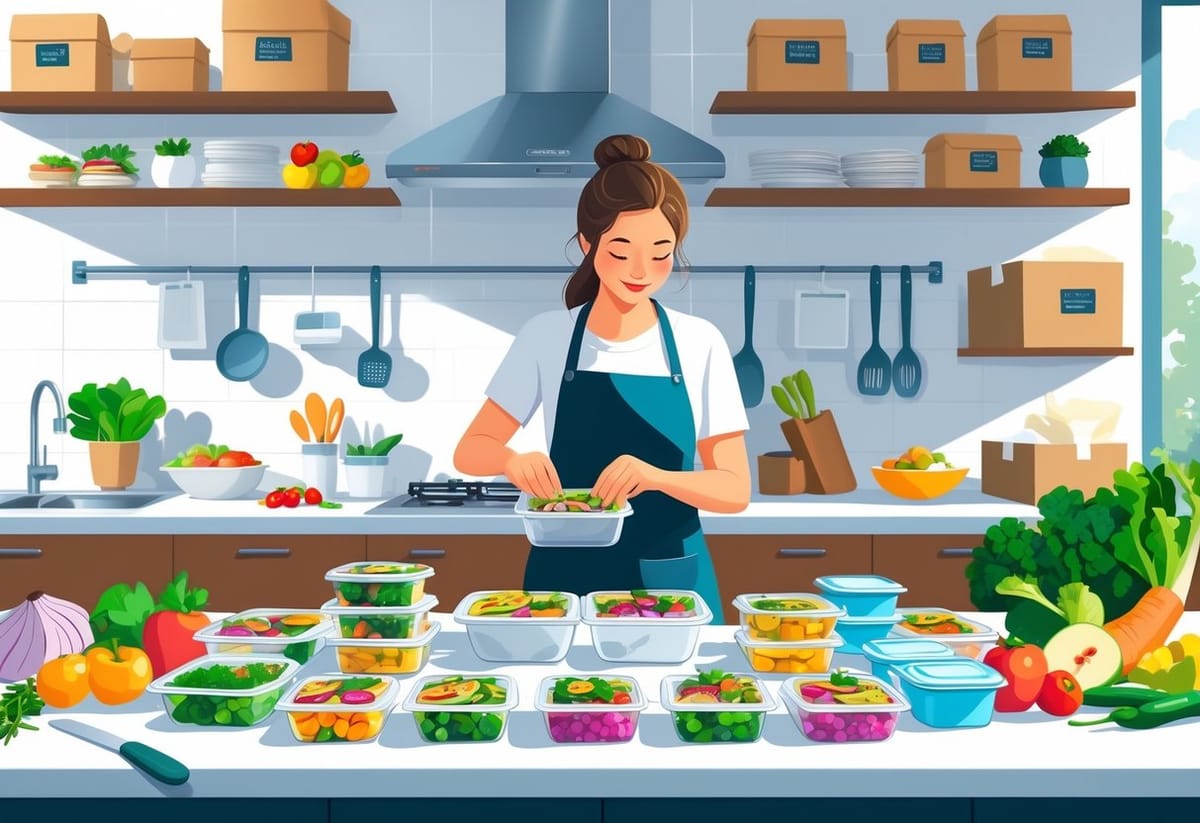
Starting a meal prep delivery business from home can fit perfectly into a busy family life. Between school drop-offs and dinner prep, it’s a way to turn cooking skills into real income without leaving the kitchen. She can launch a small meal prep delivery business right from her own kitchen by focusing on simple planning, safe food handling, and smart marketing.
Many parents already cook for their families every day, so turning that routine into a business feels natural. By offering healthy, ready-to-eat meals, they can help other families save time while earning money. Sites like Whop explain that starting from home keeps costs low and allows flexibility in scheduling.
With a few clear steps—like finding a niche, creating a weekly menu, and setting up local delivery—they can start small and grow at their own pace. A simple spreadsheet for orders, labeled containers, and a social media page can help them stay organized and attract loyal customers.
Key Takeaways
- A home kitchen can be the starting point for a profitable meal prep business.
- Smart planning and safe food practices build trust and repeat orders.
- Simple marketing and consistent service help grow the business steadily.
Understanding the Meal Prep Delivery Business
A meal prep delivery business helps busy families eat well without spending hours in the kitchen. It focuses on preparing, packaging, and delivering fresh, ready-to-cook or ready-to-eat meals that save time and reduce stress during the week.
What Is a Meal Prep Business?
A meal prep business creates healthy, portioned meals that customers can heat and enjoy at home. Some focus on weekly subscriptions, while others offer one-time orders. The goal is to make eating well simple and convenient for people with busy schedules.
These businesses often start small—from a home kitchen—and grow as demand increases. Many use local ingredients and tailor menus to different diets like keto, vegetarian, or gluten-free.
To get started, she can plan a few recipes, test them with friends, and package meals in reusable containers. Resources like WebstaurantStore’s 10-step guide explain how to handle food safety, labeling, and delivery logistics.
A simple startup checklist might include:
- Choose a niche (e.g., family meals, fitness meals)
- Create a weekly menu
- Set up safe storage and delivery methods
- Market through social media and word of mouth
How Meal Kit Delivery Services Work
A meal kit delivery service sends pre-portioned ingredients with easy recipes so customers can cook at home. It’s different from a traditional meal prep business because the food isn’t cooked yet—it’s assembled and ready to prepare.
Each kit usually includes:
| Item | Description |
|---|---|
| Recipe Card | Step-by-step cooking instructions |
| Pre-Portioned Ingredients | Measured produce, protein, and seasonings |
| Packaging | Insulated boxes to keep food fresh |
According to Toast’s complete guide, these services rely on efficient delivery systems and reliable suppliers to keep ingredients fresh.
Parents who love cooking but lack time to shop often prefer this model. It gives them control over flavor and freshness while removing the stress of meal planning.
Benefits of Running a Meal Prep Delivery Business
Running a meal prep delivery business offers flexibility and steady income potential. It allows parents to work from home, plan their own schedules, and serve their community.
A Starter Story overview notes that these businesses have lower startup costs than restaurants and can grow quickly as word spreads.
Other key benefits include:
- Predictable revenue: Weekly subscriptions help maintain steady cash flow.
- Work-life balance: Prepping meals during school hours fits family routines.
- Community connection: Local delivery builds trust and loyal customers.
For moms juggling family and business, this model can start small—just a few clients at first—and expand as confidence and systems improve.
Finding Your Niche and Target Market
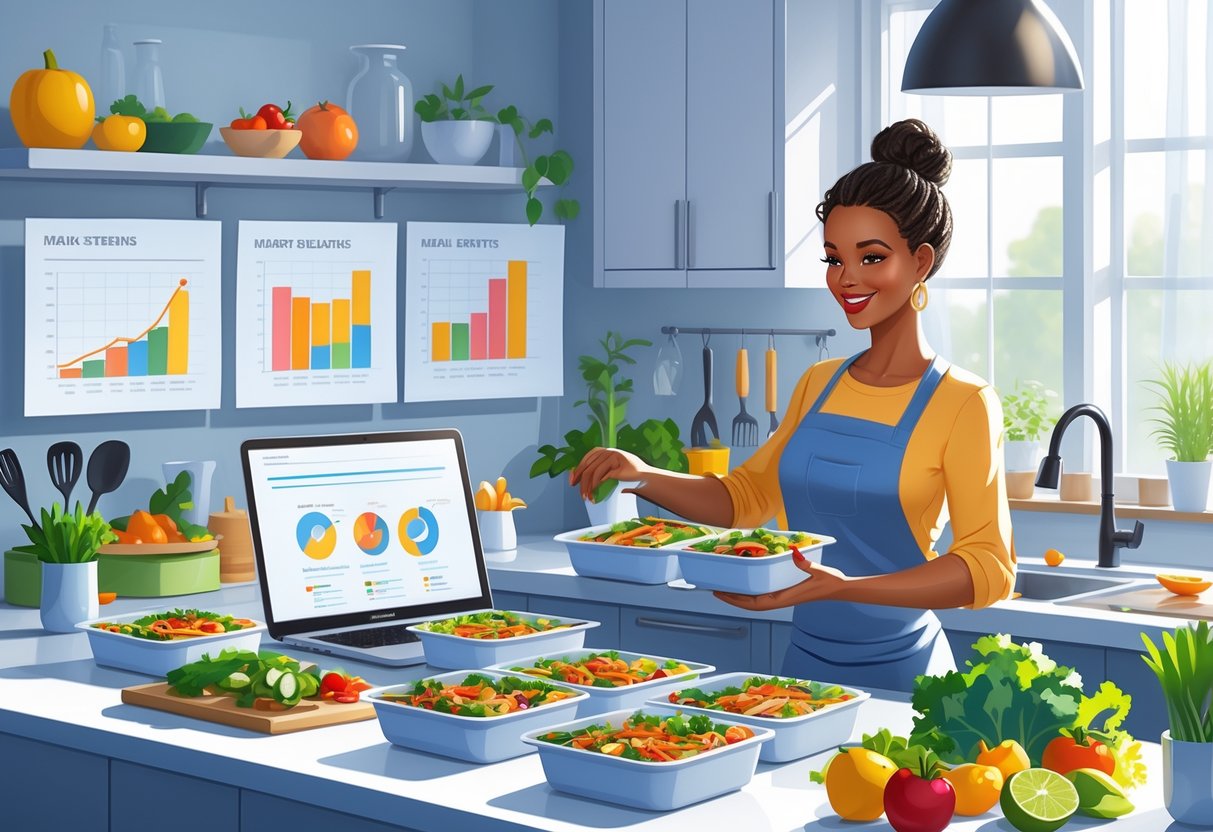
Starting a meal prep delivery business works best when the meals match what people actually want and need. Clear focus on who will buy the food and what kind of meals they prefer helps shape the menu, pricing, and marketing plan.
Identifying Your Target Market
A strong meal prep business begins with knowing who the customers are. Many families, busy professionals, and health‑focused parents need quick, balanced meals they can trust. It helps to picture a typical customer—her age, income, work hours, and food goals.
She can use a simple table to map this out:
| Group | Needs | Example Meals |
|---|---|---|
| Working parents | Fast, family‑friendly dinners | Chicken stir‑fry, pasta bake |
| Fitness‑minded adults | High‑protein, portioned meals | Grilled salmon, quinoa bowls |
| Seniors | Easy‑to‑chew, nutrient‑dense foods | Stews, soft vegetables |
Local research matters too. Checking community Facebook groups or local gyms can reveal what people crave most. Guides like How to Start a Meal Prep Business in 14 Steps note that millennials and higher‑income urban professionals often drive growth in this market.
Choosing a Specialty: Healthy Meals and Specific Diets
Once the audience is clear, the next step is picking a meal style or diet focus. Healthy meals appeal to almost everyone, but being specific—like low‑carb, gluten‑free, or Mediterranean—helps the business stand out.
She can start small with one or two meal plans that match her own cooking style. For example:
- “Fit Family Plan” – balanced meals for parents and kids
- “Busy Week Reset” – lighter, portion‑controlled lunches
- “Weekend Comfort Box” – wholesome versions of classic favorites
The Hosted.com guide on starting a meal prep business recommends setting clear pricing and cost goals early. This helps keep specialty meals affordable while still profitable.
Catering to Dietary Restrictions
Many customers need meals that fit allergies or medical diets. Gluten‑free, dairy‑free, and nut‑free options often attract loyal buyers who struggle to find safe meals elsewhere.
Moms running home kitchens can use color‑coded labels or separate prep areas to avoid cross‑contamination. A simple checklist taped near the cooking station can track ingredients and allergens.
She can also survey customers about their top dietary restrictions. Tools like Google Forms or social media polls make it easy to gather quick feedback. The WebstaurantStore guide on meal prep businesses highlights the importance of safety certifications and proper labeling, which build trust with cautious eaters.
Plant-Based and Trendy Meal Options
Plant‑based eating continues to grow. Offering vegan or vegetarian meal plans can draw new customers who care about health and sustainability.
She might start with one plant‑based menu per week, using easy recipes like lentil tacos or tofu stir‑fry. Rotating seasonal produce keeps costs down and ingredients fresh.
Trendy options such as keto, paleo, or high‑protein bowls also attract attention online. According to Eat Fresh Tech’s meal prep startup guide, tracking food trends helps small businesses stay competitive.
Simple marketing ideas include posting short videos of plant‑based prep days or sharing before‑and‑after fridge photos. These relatable touches make the business feel personal and trustworthy.
Planning Your Home-Based Meal Prep Business

Running a meal prep business from home takes more than cooking skills. It requires a clear plan, a safe and organized kitchen, and reliable suppliers who help keep costs low and quality high.
Creating a Meal Prep Business Plan
A meal prep business plan helps turn a cooking hobby into a real business. It should outline goals, target customers, pricing, and delivery methods. For example, a mom might focus on busy families who want healthy dinners ready in minutes.
List out what meals will be offered, how often they’ll rotate, and how much each one costs to make. Using a simple spreadsheet or template can help track expenses and profit margins.
It’s also smart to include licensing, permits, and insurance details. Guides like this step-by-step plan explain how to build a solid foundation that meets local food safety rules.
A short checklist can help:
- Define your niche: family meals, fitness meals, or vegetarian options.
- Set prices: cover ingredients, packaging, and delivery costs.
- Plan marketing: social media, local moms’ groups, or flyers.
Setting Up Your Kitchen for Meal Prep
A home kitchen can work well for a small meal prep business if it’s organized and meets health standards. Many states require food made for sale to be prepared in a certified kitchen, so checking local laws is essential.
Start by separating cooking zones—one for prep, one for packaging, and one for storage. Label containers and use color-coded cutting boards to avoid cross-contamination.
She can keep a weekly cleaning schedule to stay compliant and efficient. A simple table can help plan tasks:
| Task | Frequency | Notes |
|---|---|---|
| Deep clean fridge | Weekly | Check for expired items |
| Sanitize counters | Daily | Use food-safe spray |
| Check equipment | Monthly | Replace worn tools |
Sourcing Ingredients and Supplies
Finding reliable ingredient suppliers keeps meals consistent and fresh. Local farmers’ markets or wholesale clubs often offer bulk discounts. Some entrepreneurs use these tips for sourcing ingredients to balance cost and quality.
Buying in bulk for staples like rice or chicken saves money, but produce should be bought fresh each week. Keeping a simple inventory list helps track what’s running low.
Packaging also matters. Choose eco-friendly containers that travel well and look appealing. Reusable or compostable options can attract eco-conscious customers.
She can start small—ordering just enough supplies for a week’s worth of meals—and scale up as orders grow.
Legal Requirements and Food Safety
Running a meal prep business from home means following food safety laws and getting the right licenses. These steps protect customers and help the business stay compliant with local and state rules.
Registering Your Food Delivery Business
Before cooking or delivering meals, she needs to register her business with her city or county. Choosing a structure like an LLC or sole proprietorship helps separate personal and business finances. This step also makes it easier to open a business bank account and pay taxes.
Every state has its own rules. Some areas require home-based meal services to register under local cottage food laws, while others treat them like full food service businesses. Checking with the local small business office or health department saves time and prevents costly mistakes.
A simple checklist can help:
- Pick a business name and confirm it’s available.
- Apply for an EIN (Employer Identification Number) through the IRS.
- Register the business with the state.
- Get a local business license if required.
For a detailed walkthrough on setting up a compliant business, see this guide to starting a meal prep business.
Getting Food Handler’s Licenses
Anyone who prepares or delivers food should complete a food handler’s course. It teaches proper cooking temperatures, safe storage, and how to avoid cross-contamination. After finishing the training, she’ll receive a food handler’s license or certificate that must be renewed every few years.
In many states, every employee who touches food needs this license. Even if she works alone, having it shows customers she takes food safety seriously.
Here’s a quick example moms can follow:
- Search online for “food handler’s certification” in their state.
- Take the course (usually under 2 hours).
- Print and keep the certificate near the kitchen workspace.
For more information on legal labeling and packaging rules, check out the legal requirements for selling home-cooked meals.
Health Department Permits and Inspections
Most local health departments require a food service permit before selling meals. This permit confirms that the kitchen meets sanitation standards and that food is stored and handled safely.
An inspector may visit the home kitchen to check refrigerator temperatures, sink setup, and food storage areas. Keeping a cleaning schedule, using food-safe containers, and labeling ingredients properly can help pass inspections.
If she plans to deliver meals, some cities also need a transport permit for food delivery vehicles. It ensures meals stay at safe temperatures during transport.
To understand what permits apply in different states, see this overview of meal and nutrition services business licensing.
Menu Development and Packaging
A strong meal prep business depends on tasty, balanced meals that travel well and stay fresh. Smart planning, clear recipes, and the right packaging help busy parents trust that every meal kit will arrive ready to heat and enjoy.
Designing Your Meal Plans and Menus
She starts by choosing simple, family-friendly meals that fit her target customers’ needs—like quick dinners, healthy lunches, or kid-approved snacks. Each meal plan should cover a mix of proteins, grains, and vegetables.
A weekly menu template helps her stay organized. For example:
| Day | Main Dish | Side | Notes |
|---|---|---|---|
| Monday | Chicken stir-fry | Brown rice | Gluten-free option |
| Wednesday | Turkey tacos | Corn salad | Family pack available |
Rotating menus every few weeks keeps things fresh while reducing food waste.
She can test new dishes by offering small sample boxes or short surveys to regular customers. This feedback helps her fine-tune portion sizes and flavors before adding new meals to the regular lineup.
Creating Recipes for Meal Kits
Each recipe should be easy to follow and use ingredients that are affordable and easy to find. She can batch-test recipes at home, timing how long each step takes to prepare.
Writing clear instructions matters. Moms juggling kids and work don’t have time for guesswork. Recipes should include:
- Step-by-step directions
- Cooking times and storage tips
- Substitutions for allergies or preferences
A simple example:
- Cook 1 cup of quinoa.
- Sauté vegetables for 5 minutes.
- Mix with grilled chicken and sauce.
Keeping recipes under 30 minutes makes them more appealing. She can find more ideas for structuring recipes and menus in guides like this one on starting a meal prep business.
Packaging for Freshness and Delivery
Packaging protects food and shows professionalism. She should choose leak-proof containers that are microwave-safe and recyclable. Clear lids help customers see what they’re getting, building trust and appetite.
Labeling is key. Each container should list the meal name, date prepared, and reheating instructions.
To keep meals fresh, she can:
- Use insulated delivery bags
- Chill meals before transport
- Include ice packs for longer routes
Small details like consistent branding stickers or color-coded labels make the experience feel special. For more tips on packaging and delivery setup, she can review this step-by-step guide.
Building Your Team and Operations
Running a meal prep business from home takes more than good recipes. It depends on clear roles, smooth kitchen systems, and reliable delivery routines that keep customers happy and food fresh.
Roles: Kitchen Staff and Marketers
A small home-based team often starts with two core roles—kitchen staff and marketers. Kitchen staff handle cooking, portioning, and packaging, while marketers focus on attracting and keeping customers.
She can start by hiring part-time help for meal prep or cleaning. Even one extra set of hands makes a big difference during busy weeks. A friend or local college student studying nutrition or culinary arts can be a great fit.
Marketers help spread the word through social media, email lists, and local partnerships. Using free tools like Canva for posts and Mailchimp for newsletters keeps costs low. Structuring your meal prep team around these roles helps maintain balance between cooking and customer growth.
A simple table can help track who does what:
| Role | Main Tasks | Tips |
|---|---|---|
| Kitchen Staff | Cook, portion, package | Use gloves and labels for safety |
| Marketer | Social media, ads, partnerships | Post meal photos 3x a week |
Streamlining Kitchen Workflow
A tidy, efficient kitchen saves time and prevents stress. She can group tasks by day—Monday for planning, Tuesday for shopping, Wednesday for cooking. This rhythm helps keep ingredients fresh and avoids last-minute chaos.
Using color-coded bins for proteins, veggies, and carbs keeps ingredients organized. Label shelves and containers so anyone helping can find things fast.
Batch cooking is key. Preparing sauces or grains in large amounts early in the week frees up time later. A checklist taped to the fridge can track what’s prepped and what’s left to do.
For more workflow ideas, this guide on starting a meal prep business explains how to set up recipes, packaging, and kitchen systems that scale easily.
Managing Deliveries and Scheduling
Reliable delivery builds trust. She can start small—maybe delivering two days a week within her neighborhood. Using apps like Google Sheets or Trello helps track orders, routes, and customer notes.
A simple tip: group deliveries by zip code to save gas and time. If possible, schedule drop-offs during school hours so she’s free when the kids get home.
Reusable insulated bags keep meals at safe temperatures. She can also partner with local gyms or offices as pickup spots to cut down on driving.
For a deeper look at delivery planning, the WebstaurantStore guide on starting a meal prep business shares steps for organizing routes and keeping operations compliant.
Marketing and Growing Your Meal Prep Delivery Business
Strong marketing helps a meal prep delivery business stand out in a crowded market. Owners who focus on online visibility, customer relationships, and consistent communication often see steady growth without spending a fortune.
Building an Online Presence
A simple, clean website helps customers browse menus, check prices, and place orders easily. Tools like Wix or Squarespace make setup quick, even for beginners. Adding high-quality food photos builds trust and appetite appeal.
They can include a short “About” section that shares their story—why they started cooking and how their meals help busy families. This personal touch connects with local customers and builds loyalty.
Listing the business on Google My Business and local directories increases visibility. According to BusinessGuru’s guide on starting a meal prep business, market research and online presence are key to attracting the right audience.
A short checklist helps organize tasks:
- Create a mobile-friendly website
- Add clear ordering options and delivery info
- Use professional photos
- Set up a Google Business profile
Using Email Marketing and Social Media
Email marketing keeps customers coming back. A weekly email with a new menu, family tips, or a simple recipe keeps the brand fresh in their minds. Tools like Mailchimp or ConvertKit make it easy to design and send messages.
Social media is another powerful driver. Platforms like Instagram and Facebook let owners post meal photos, share behind-the-scenes videos, and highlight customer stories. The Metrobi marketing guide notes that consistent posting helps grow brand awareness and trust.
They can plan posts using a simple schedule:
| Day | Content Idea | Platform |
|---|---|---|
| Monday | New weekly menu | |
| Wednesday | Quick kitchen tip | |
| Friday | Customer spotlight | Instagram Stories |
Launching a Loyalty Program
A loyalty program rewards repeat customers and encourages referrals. Simple systems like “Buy 5 meals, get 1 free” or “Refer a friend, get $10 off” motivate families to order again.
Owners can track points manually or through apps like Square Loyalty or Loyverse. Even a printed punch card can work for small local operations.
They should promote the program in every email and on every delivery bag. A short note like “Earn free meals when you share with friends!” reminds customers to participate. The Starter Story list of marketing ideas suggests loyalty programs as one of the easiest ways to grow a meal prep brand without large ad budgets.
Frequently Asked Questions
Running a meal prep delivery business from home takes planning, organization, and attention to local food laws. With the right setup, moms can turn their kitchen skills into a steady income while keeping family life on track.
How do I get started with a meal prep delivery service from my own kitchen?
They can start small by testing recipes that store and reheat well. A simple weekly menu of three to five dishes helps keep things manageable.
Creating a prep schedule—like chopping veggies after school drop-off and packaging meals during nap time—can make it easier to balance work and family. For more step-by-step guidance, check out this 10-step guide to starting a meal prep business.
What are the typical startup costs for a home-based meal prep business?
Startup costs vary depending on kitchen equipment and packaging. Most home-based meal prep businesses spend a few hundred to a few thousand dollars on containers, labels, and ingredients.
Using existing kitchen tools and buying ingredients in bulk can help lower costs. A basic budget template listing supplies, permits, and marketing expenses can help track spending early on.
Can you run a meal prep business legally from a home kitchen?
In many areas, yes—but it depends on local health and zoning laws. Some states allow home-based food businesses under “cottage food” laws, while others require a commercial kitchen.
It’s smart to contact the local health department before selling meals. This step prevents fines and ensures the business meets safety standards.
What licenses and permits do I need to start a meal prep delivery business?
Typical requirements include a food handler’s permit, business license, and possibly a home kitchen inspection. The exact list depends on location and menu type.
For a clear breakdown of what’s needed, see this guide to meal prep business licensing and permits. Keeping digital copies of all permits makes renewals and updates easier.
How do I price my meal prep services to be both competitive and profitable?
They can start by adding up ingredient costs, packaging, and prep time, then add a margin for profit. Checking local competitors’ menus helps set fair prices.
A simple formula is (Total cost per meal × 1.5) to cover time and overhead. Offering bundle deals—like 5 meals for a set price—can attract busy families.
What's a good way to market my meal prep delivery service to the local community?
Word of mouth works best at first. Moms can share photos of their meals in local Facebook groups or drop flyers at gyms and daycare centers.
Offering a “first-week discount” or referral rewards encourages repeat customers. For more ideas, this step-by-step guide to starting a meal prep business includes helpful marketing tips for small operations.