Turning Knitting Skills Into A Profitable Etsy Shop For Moms
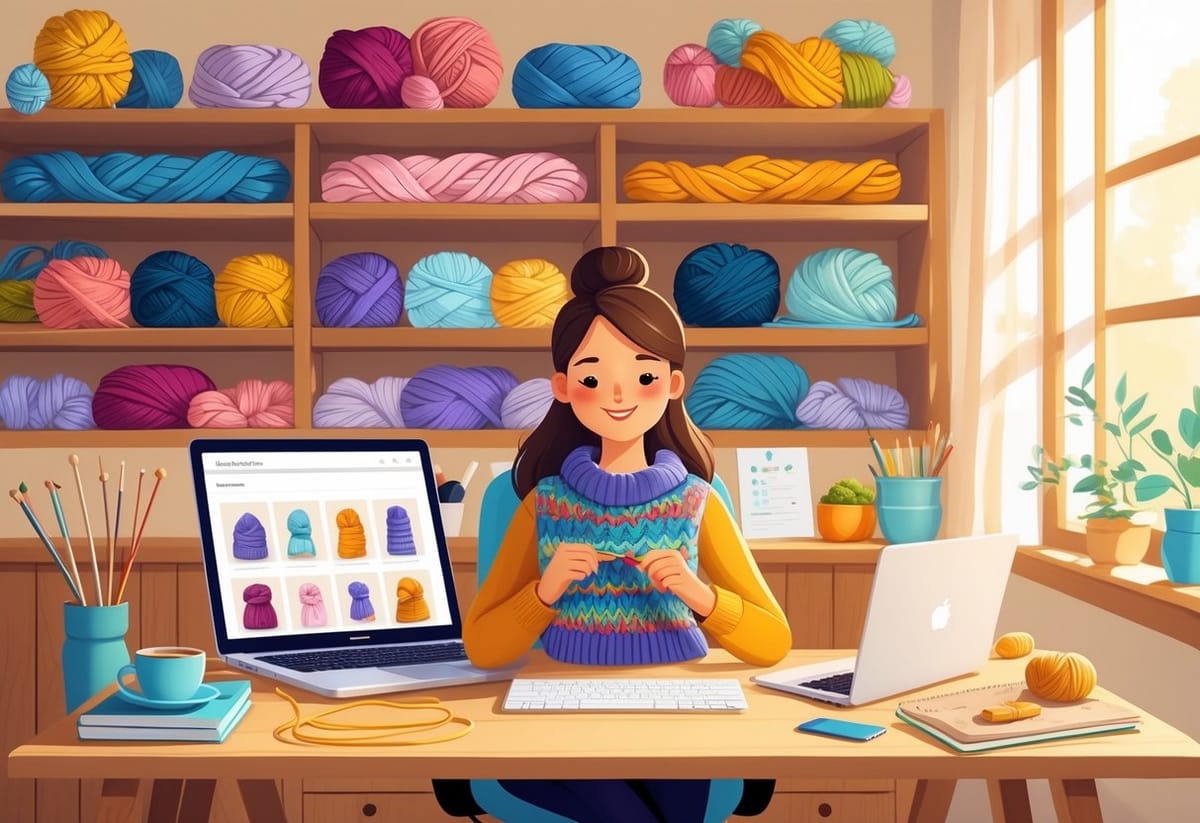
Turning a love for knitting into a steady income can feel like a dream come true for busy moms. Between school drop-offs and bedtime routines, knitting offers a creative outlet that can also bring in extra money. By opening a shop on Etsy, she can turn her handmade scarves, hats, and blankets into a profitable business that fits around family life.
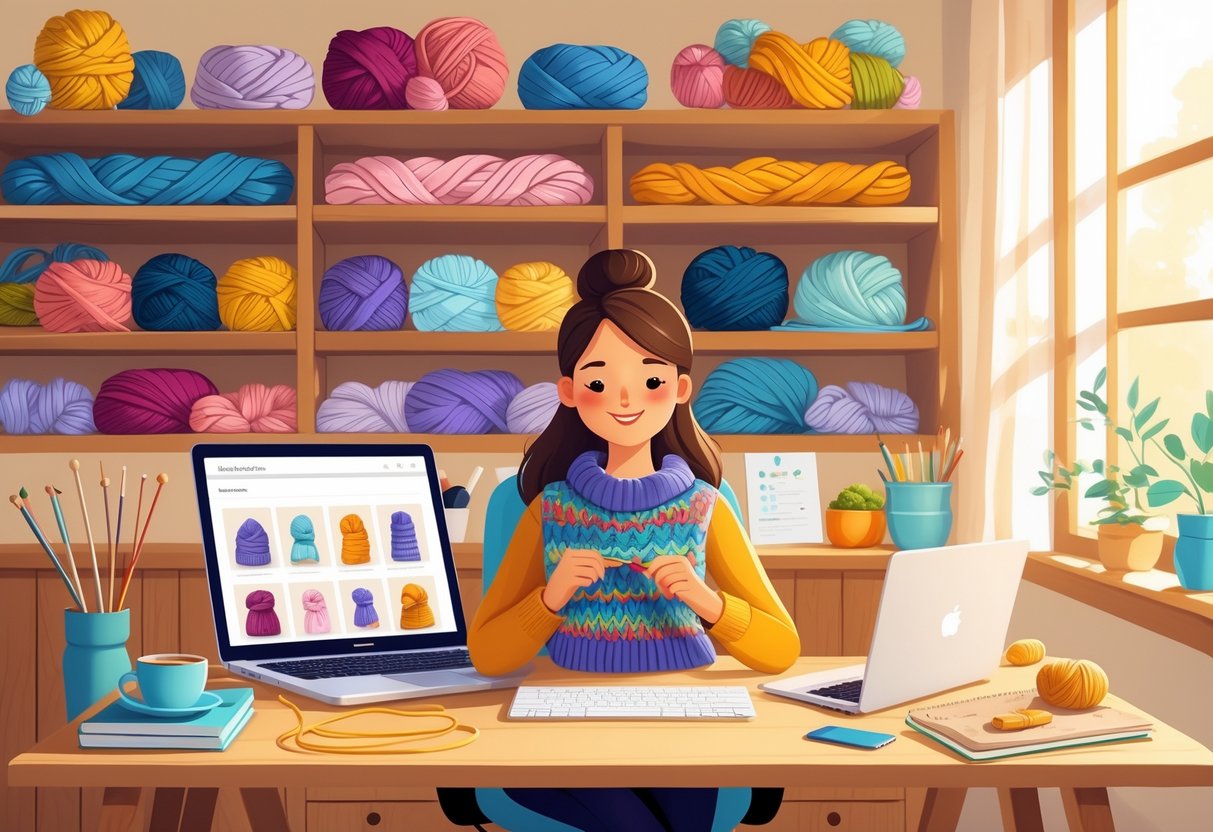
Etsy connects makers with millions of buyers looking for unique, handmade goods. With the right approach, she can showcase her work, set fair prices, and build a loyal customer base. Simple steps like choosing bestselling projects, writing clear product descriptions, and using natural lighting for photos can make a big difference in attracting buyers. Helpful guides such as How to Sell Knitted Items on Etsy offer practical ways to get started and grow a knitting shop.
Each sale brings more confidence and experience. Over time, she can expand her product line, learn what customers love most, and even turn her side hustle into a full-time business. The best part is doing it all from home—while still being there for the family moments that matter most.
Key Takeaways
- Etsy helps moms turn knitting skills into flexible income.
- Clear photos, simple listings, and smart pricing attract more buyers.
- Growth comes from learning what sells best and staying consistent.
Why Knitting Skills Are Perfect for Moms on Etsy
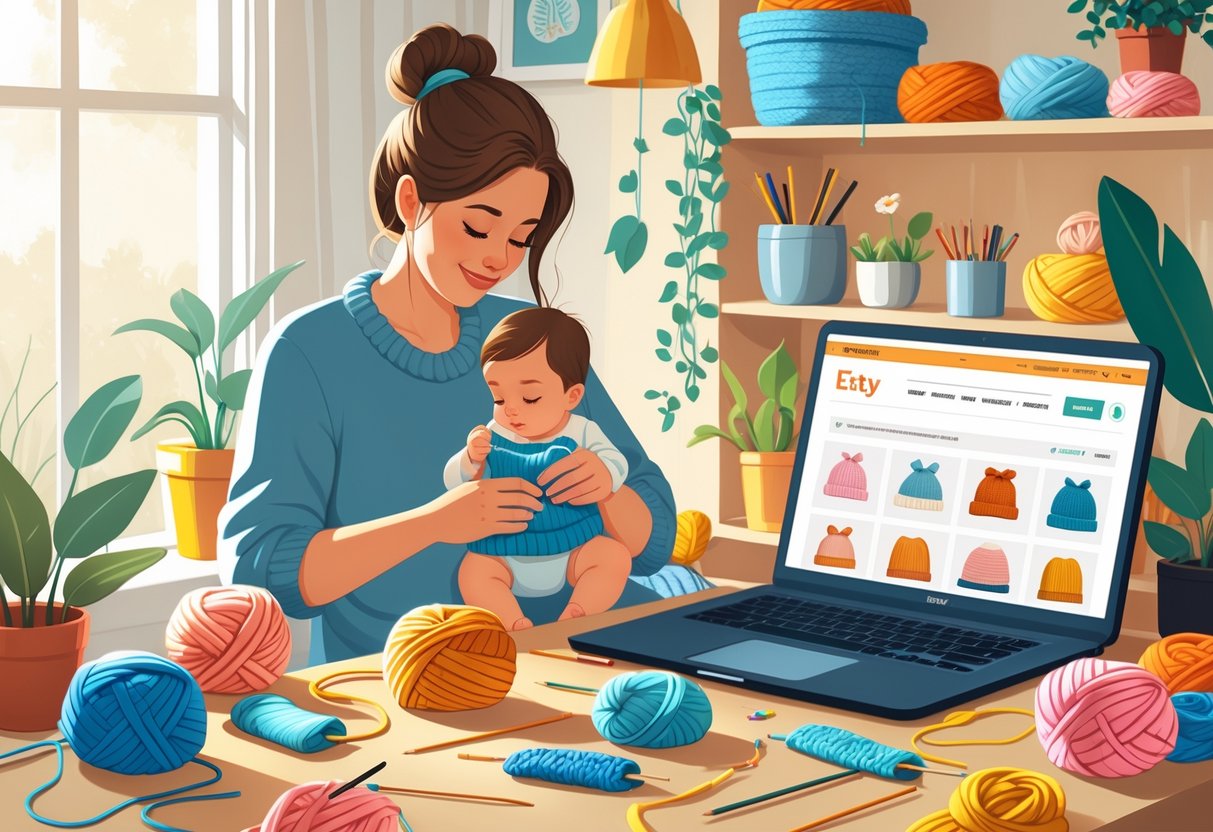
Knitting gives moms a flexible way to earn money while staying close to family. It blends creativity, comfort, and practicality—qualities that make it ideal for running a small shop on Etsy. The work can grow at any pace, from a cozy hobby to a steady income stream through handmade goods and digital patterns.
Balancing Family Life and a Side Hustle
Knitting fits easily into a mom’s daily rhythm. She can pick up her needles during nap time, after bedtime, or even while watching a movie with the kids. Unlike many side hustles, it doesn’t require strict schedules or large upfront costs.
Etsy makes it simple to list items and manage sales from home. Moms can start small by selling a few baby hats or scarves, then expand as time allows. A simple plan might look like this:
| Task | Time Needed | Example |
|---|---|---|
| Knit 1–2 small items | 2–3 hours | Baby booties, dishcloths |
| Photograph and list on Etsy | 1 hour | Use natural light and plain backgrounds |
| Pack and ship | 30 minutes | Reuse clean boxes or eco mailers |
This slow, steady approach helps moms balance family needs without feeling overwhelmed.
Finding Fulfillment Beyond Motherhood
Knitting offers a creative outlet that reminds moms they’re more than caretakers. The process of turning yarn into something beautiful feels rewarding and productive. Selling those creations on Etsy adds another layer of pride—someone values their work enough to buy it.
Many moms find joy in designing their own patterns or creating custom orders. They can also sell digital knitting patterns, a low-effort way to earn passive income, as explained in this guide to selling patterns online.
Practical tip: keep a small notebook or phone app to jot down new design ideas while waiting in the school pickup line. Inspiration often strikes in small moments.
Community and Connection with Other Makers
Running an Etsy shop connects moms to a global network of makers who share their passion. Online communities centered around knitting and handmade goods create a sense of belonging. Moms can exchange tips, celebrate sales, and learn new techniques together.
Social media also plays a big role in promoting shops and building friendships. Platforms like Instagram have helped modern knitting culture grow, showing how trends like handmade cardigans and balaclavas thrive through shared creativity, as seen in how social media shapes modern knitting trends.
Joining knitting groups or Etsy forums gives moms both encouragement and practical advice. They get to connect with others who understand the juggling act of parenting and running a small business.
Choosing What to Knit and Sell

A mom who wants to earn money from her knitting hobby needs to focus on what sells, what fits her style, and what she can finish quickly. Picking the right knitted items helps her balance time, creativity, and profit.
Identifying Best-Selling Knitted Items
She should start by researching what shoppers already love. Handmade beanies, scarves, and baby blankets often attract steady buyers because they’re practical and gift-friendly. Smaller accessories like headbands and fingerless gloves also sell well since they’re quick to make and easy to ship.
Checking Etsy’s trending searches or browsing popular knitting projects to sell gives her a sense of market demand. She can also explore profitable knitting ideas to see which products require little upfront cost.
| Product Type | Time to Knit | Price Range | Buyer Appeal |
|---|---|---|---|
| Beanies | 1–2 hours | $20–$40 | Great for all ages |
| Baby Blankets | 4–6 hours | $40–$80 | Perfect for gifts |
| Headbands | 30–45 min | $10–$25 | Quick impulse buys |
She should test a few options and track what sells most. Over time, that data helps her refine her product list.
Exploring Your Unique Knitting Style
Every knitter has a personal touch. Maybe she prefers soft pastels, chunky yarn, or modern minimalist designs. Leaning into that style helps her stand out in a crowded marketplace.
She can look at knitting for profit guides to learn how to use her strengths. For example, if she enjoys detailed patterns, she might sell custom knitting patterns instead of finished goods.
A simple exercise:
- List five favorite projects she’s knitted.
- Note what she liked most about each—color, texture, or pattern.
- Identify a common thread and build her shop theme around it.
When her shop reflects her style, buyers recognize authenticity and return for more.
Selecting Quick and Profitable Projects
Time matters when juggling kids and a business. Choosing quick-knit projects helps her keep inventory fresh and income steady. Items like dishcloths, mug cozies, and headbands are ideal for short bursts of knitting during nap time.
She can follow step-by-step guides to find small, profitable patterns that don’t require complex stitches.
Tips for picking fast projects:
- Use bulky yarn—it knits faster.
- Stick to simple, repeatable patterns.
- Batch similar items to save setup time.
By focusing on efficiency, she can turn her knitting hobby into a steady Etsy income without sacrificing family time.
Setting Up Your Etsy Shop Step-by-Step
A successful Etsy shop starts with clear branding, a friendly first impression, and a story that feels personal. Shoppers connect with handmade goods when they trust the person behind them and can see the care that goes into each item.
Picking the Perfect Shop Name
A good shop name helps buyers remember who made their favorite knitted pieces. It should reflect the maker’s style and be easy to spell and search. Before deciding, she can check name availability on Etsy’s shop setup guide.
Tips for choosing a name:
- Keep it short—under 20 characters works best.
- Avoid numbers or tricky punctuation.
- Use words that describe the product or mood (like CozyLoops or TinyStitchStudio).
If she sells baby hats or blankets, names that sound warm or family-friendly connect well with moms shopping for gifts. Writing down three to five options and saying them out loud helps test how they sound. Once she finds one that feels right, she can claim it quickly before someone else does.
Creating a Welcoming Shop Banner and Logo
The banner and logo are the first visuals customers see, so they should match the shop’s style and colors. A clean, bright banner with a few photos of knitted goods gives a cozy, trustworthy feel.
She can use free tools like Canva or Etsy’s banner templates to design graphics that fit Etsy’s size guidelines. Happy Knitting’s simple setup tutorial offers examples of easy-to-follow layouts.
Quick design checklist:
| Element | Goal | Tip |
|---|---|---|
| Banner | Show product style | Use natural light photos |
| Logo | Build recognition | Keep it simple and readable |
| Colors | Set the tone | Choose 2–3 soft, matching shades |
A clear photo of a knitted item—like a folded blanket or yarn ball—can make the logo feel personal and handmade.
Writing an Authentic About Section
This section helps buyers see the person behind the shop. She can share what inspired her to start knitting and how she balances crafting with family life. Simple, honest storytelling builds trust and connection.
A short format works best:
- Start with the spark. (“She began knitting baby booties during nap time.”)
- Describe her process. Mention materials, tools, or favorite yarns.
- End with purpose. Explain how her handmade goods bring comfort or joy.
According to Etsy’s seller handbook, buyers love learning how products are made. Adding 2–3 photos of her workspace or tools helps make the shop feel real.
Even a few heartfelt sentences can turn a simple Etsy shop into a brand that feels like home.
Crafting Compelling Product Listings
Strong product listings help shoppers notice, trust, and buy handmade pieces. Clear photos, honest descriptions, and smart pricing make knitted items stand out and show the care behind each stitch.
Taking Irresistible Product Photos
Good product photography makes a huge difference. Natural lighting, clean backgrounds, and close-up shots highlight texture and color. She can use a simple setup near a window with a white poster board to bounce light.
A few quick tips:
- Use daylight instead of flash.
- Show scale by placing the item next to a mug or hand.
- Include lifestyle shots—like a baby wearing a knitted hat or a cozy blanket draped on a couch.
Editing should stay minimal. Adjust brightness and crop, but don’t change colors. Etsy recommends clear, consistent images across listings, as seen in its guide to selling knit and crochet products online.
A simple photo checklist helps busy moms stay organized:
| Step | Task | Done |
|---|---|---|
| 1 | Take 5–10 photos per product | ☐ |
| 2 | Capture close-ups of stitches | ☐ |
| 3 | Add at least one lifestyle image | ☐ |
Writing Descriptions That Sell
A strong description tells buyers what makes each piece special. She should write as if explaining it to a friend—clear, warm, and honest. Start with what the item is and who it’s for: “This soft merino baby blanket keeps little ones warm without itching.”
Break details into short sections:
- Materials: Yarn type, fiber content, and care instructions.
- Size: Include measurements and fit notes.
- Use: Suggest how or when to use it—gift, home, or seasonal wear.
Using keywords like “hand-knit scarf” or “cozy wool hat” helps listings appear in Etsy searches. According to Marketsy’s guide on selling knitted items, clear and keyword-rich descriptions improve visibility and buyer trust.
Pricing Your Knitted Items for Profit
Pricing can be tricky. Many moms undercharge because they only count material costs. She should include time, fees, packaging, and a small profit margin.
A simple formula helps:
(Materials + Time × Hourly Rate) + Fees + Profit = Price
For example, if yarn costs $8, time is 2 hours at $12/hour, and Etsy fees are $2, the price should be around $36.
Checking similar listings on Etsy or using tools from Craftexpressus’s step-by-step Etsy store guide can show what buyers are paying.
She can also offer tiered pricing:
- Basic: Simple hat or scarf.
- Premium: Custom colors or patterns.
This helps shoppers choose while valuing her time and skill.
Setting Clear Shop Policies for Happy Customers
Clear shop policies help buyers know what to expect and protect sellers from confusion or disputes. Moms running an Etsy shop can save time and avoid stress by setting simple, transparent rules for shipping, returns, and custom work.
Defining Processing Times and Shipping
Buyers like knowing exactly when their handmade items will ship. Listing clear processing times helps manage expectations and reduces messages asking, “When will my order arrive?”
A simple table can help organize this information:
| Item Type | Processing Time | Shipping Method |
|---|---|---|
| Knit hats | 3–5 business days | USPS First Class |
| Baby blankets | 7–10 business days | Priority Mail |
She can update these times during busy seasons or holidays. Etsy even allows sellers to set estimated delivery dates that adjust automatically.
Moms juggling family life can use batch shipping days—like mailing all orders on Mondays and Thursdays—to stay consistent. Adding a short note such as “Orders ship twice a week” keeps buyers informed and builds trust.
For help setting these details, Etsy’s own guide on how to set up shop policies explains the steps clearly.
Handling Returns and Custom Orders
Returns can be tricky for handmade goods. A clear, written policy prevents misunderstandings. Many sellers offer returns within 14 days, in line with the EU right of withdrawal, but custom items may be non-refundable.
Moms can write something like:
“I accept returns within 14 days of delivery. Custom orders can’t be returned unless they arrive damaged.”
Listing this in the Returns & Exchanges section keeps everything visible. Etsy automatically displays reminders if the policy doesn’t meet legal standards, making compliance easier.
For custom orders, she can outline what’s included—like color choices, yarn types, or name embroidery—and how long they take. A short message template helps:
“Custom baby blankets take 10–14 days. Please confirm colors before I start knitting.”
This kind of clarity, as suggested in Handmade Shop Policies: What You Must Include, keeps communication smooth and customers happy.
Marketing Your Knitted Creations on Etsy
Moms who sell handmade goods on Etsy can grow their income by connecting with the right audience, using social media wisely, and building trust through honest customer relationships. Success often comes from small, consistent actions that keep buyers engaged and coming back.
Building an Engaged Audience Online
A strong Etsy shop starts with an audience that feels connected to the maker. She can begin by writing friendly, detailed product descriptions and using clear, bright product photography. Photos showing items in use—like a baby wearing a knitted hat—help shoppers picture the product in their own lives.
Posting updates often keeps the shop active. She might share new listings, behind-the-scenes photos, or short updates about her creative process. Consistency builds interest and trust.
A simple way to stay visible is by using Etsy’s built-in marketing tools. The platform offers tips on how to promote your Etsy shop, including search optimization and off-site ads. A small budget can go a long way when paired with quality listings and clear branding.
Quick tip: Create a short “About” story that shares why she knits—something personal that connects her craft to her life as a mom.
Leveraging Social Media for More Sales
Social media helps Etsy sellers reach people beyond the platform. She can post short videos or photos of her knitting process on Instagram or TikTok to show her skill and personality. Viewers like seeing real moments, not just polished product shots.
To save time, she can plan one week of posts at once. A simple table like this can help:
| Day | Platform | Content Idea |
|---|---|---|
| Monday | Photo of new product | |
| Wednesday | Poll about favorite colors | |
| Friday | TikTok | Short clip of knitting in progress |
Sharing links to listings and using hashtags like #handmadeknits or #etsyshop can bring in new followers. For more strategies, sellers can explore Etsy marketing tips that focus on increasing shop traffic through creative promotion.
Encouraging Customer Loyalty and Reviews
Happy customers often become repeat buyers. Sending a short thank-you note with each order makes a big difference. Including care instructions or a small coupon for the next purchase encourages future sales.
After a sale, she can politely ask for feedback. Positive reviews help build credibility and improve search visibility on Etsy. Even one kind review can lead to more trust from new shoppers.
If a problem arises, responding quickly and kindly shows professionalism. Etsy’s seller handbook on knit and crochet products reminds sellers that communication and care are key parts of running a successful handmade business.
Simple gestures—like remembering repeat customers’ preferences—turn first-time buyers into a loyal community that supports her craft long-term.
Frequently Asked Questions
Moms who knit and sell on Etsy often wonder how to choose the right products, manage their time, and set realistic expectations. They also look for ways to stand out with creative ideas and simple projects that fit into a busy family schedule.
What are the top-selling knitted items that I can make for my Etsy shop?
Handmade hats, scarves, and baby blankets continue to be customer favorites. Buyers love cozy, useful items that make thoughtful gifts. According to Marketsy’s guide to selling knitted items on Etsy, accessories like headbands and mittens often sell well because they are affordable and quick to make.
She can start with seasonal products—like chunky winter beanies or lightweight cotton wraps for spring—to attract year-round buyers.
How can I find easy and quick knitting projects that are perfect for selling online?
Look for patterns that use simple stitches and minimal shaping. Many moms choose projects that can be finished in one or two evenings, such as dishcloths, mug cozies, or baby booties.
A good approach is to test a few designs, time each project, and note which ones feel manageable during nap times or after bedtime. Websites like Out and Beyond’s step-by-step plan for selling knitted items on Etsy offer beginner-friendly ideas.
Can you suggest some unique knitting ideas that aren't already saturated on Etsy?
Personalized or niche items often stand out. She could knit pet sweaters, eco-friendly produce bags, or minimalist home decor like knitted wall hangings.
Adding small touches—like custom color choices or embroidered initials—helps her products feel one-of-a-kind. Checking Etsy search results for gaps in certain styles or colors can reveal new opportunities.
What are some practical knitted goods that tend to be in high demand by customers?
Practical items like reusable cotton face pads, baby hats, and fingerless gloves sell well because people use them daily. According to Etsy’s guide to selling knit and crochet products, small household goods also attract repeat buyers who enjoy handmade quality.
She can bundle similar items—like a kitchen set with dishcloths and pot holders—to increase order value.
As a busy mom, how can I efficiently manage my time between knitting and family to maximize my Etsy shop's success?
Setting small, realistic goals helps. She might schedule short knitting sessions during kids’ naps or prep shipping materials after bedtime. Using a simple weekly planner or phone reminders keeps tasks organized.
Batching tasks—like photographing several products at once—saves time. Many moms also involve older kids in light tasks like tagging or packaging to make it a family project.
What should I expect in terms of sales during my first year on Etsy with handmade knitted products?
Sales often start slowly while she builds listings and reviews. It’s normal to spend the first few months testing pricing, photos, and descriptions.
The Knitting Times notes that rising fees can affect profit margins, so tracking expenses early is key. By the end of the first year, consistent effort and regular shop updates usually lead to steady, modest growth.